By Sona Dubey | Founder of ArtbySona
The Real Frustration Every Beginner Digital Artist Faces
Many beginners start digital art with excitement.
They buy a drawing tablet, install a drawing app, open a blank canvas… and then something strange happens.
The artwork never looks like the tutorials.
The colors feel dull.
The shading looks flat.
And progress feels painfully slow.
If you have ever felt this way, you are not alone.
A beginner artist from Kanpur once shared that he practiced digital art for almost six months but still felt his work looked “amateur.” He watched tutorials, downloaded brushes, and tried different apps.
The problem wasn’t talent.
The real issue was not knowing how to improve digital art skills in a structured way.
Digital art is not just about creativity.
It’s about practice methods, observation, and learning the right techniques step by step.
The good news is that improving your digital art skills does not require expensive tools or art school training.
You just need the right learning approach.
In this guide, you will learn practical strategies to improve digital art skills faster, whether you are a beginner artist, a student, or someone building an art brand like ArtbySona by Sona Dubey.
Why Most Digital Artists Improve Slowly
Before learning how to improve, it’s important to understand why many artists feel stuck.
Most beginners:
- Practice randomly
- Focus on details too early
- Avoid studying fundamentals
- Use too many brushes
- Skip learning light and shadow
These habits slow down progress.
Improvement becomes much faster when artists follow a clear learning process.
1. Master the Fundamentals First
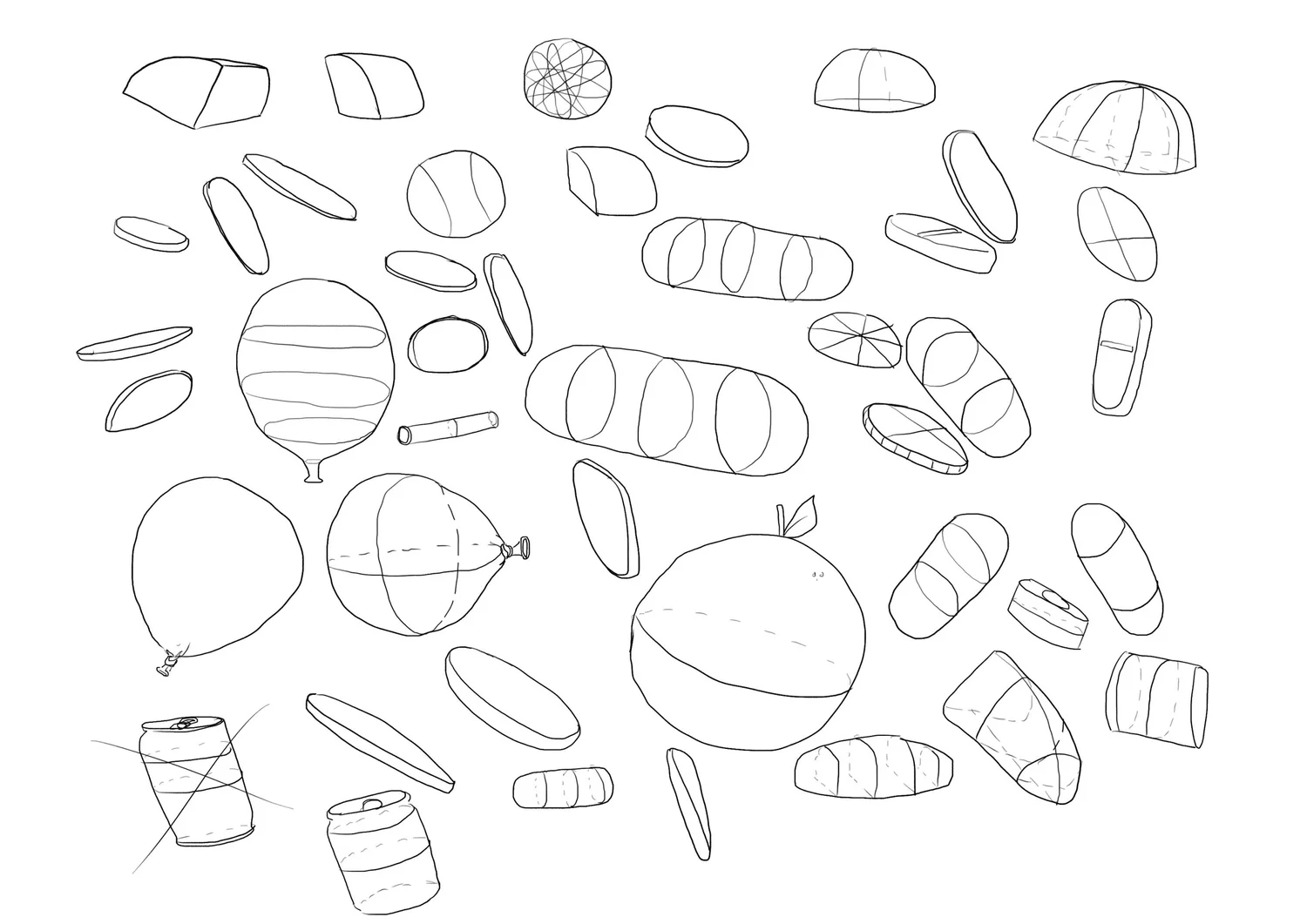
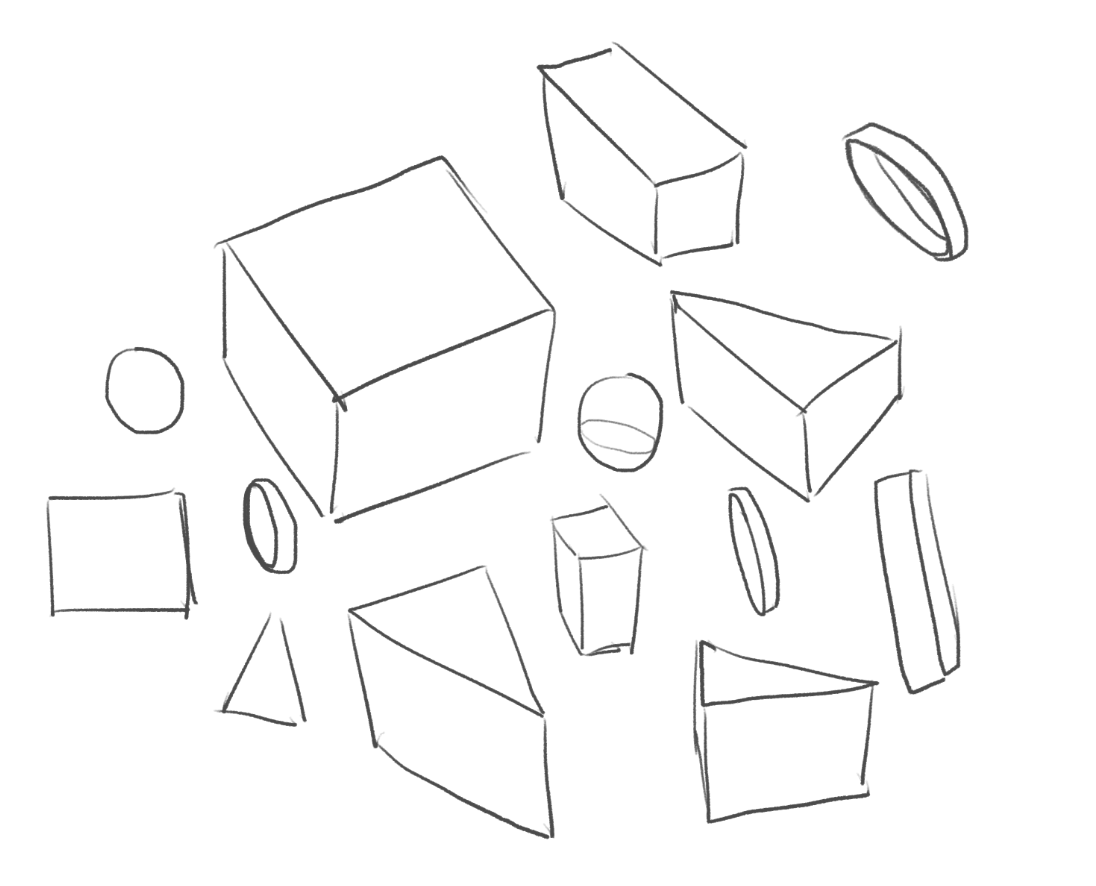
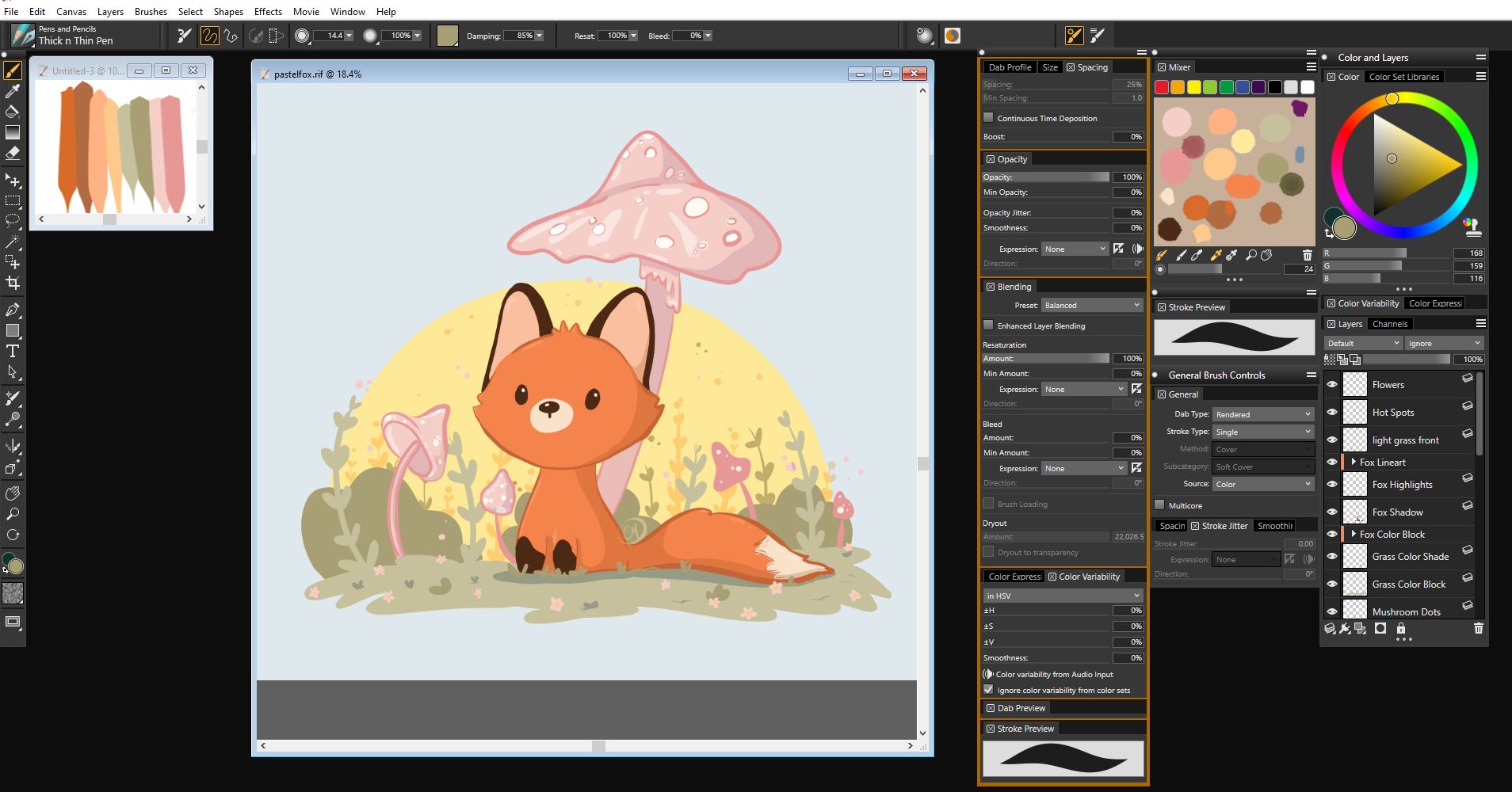
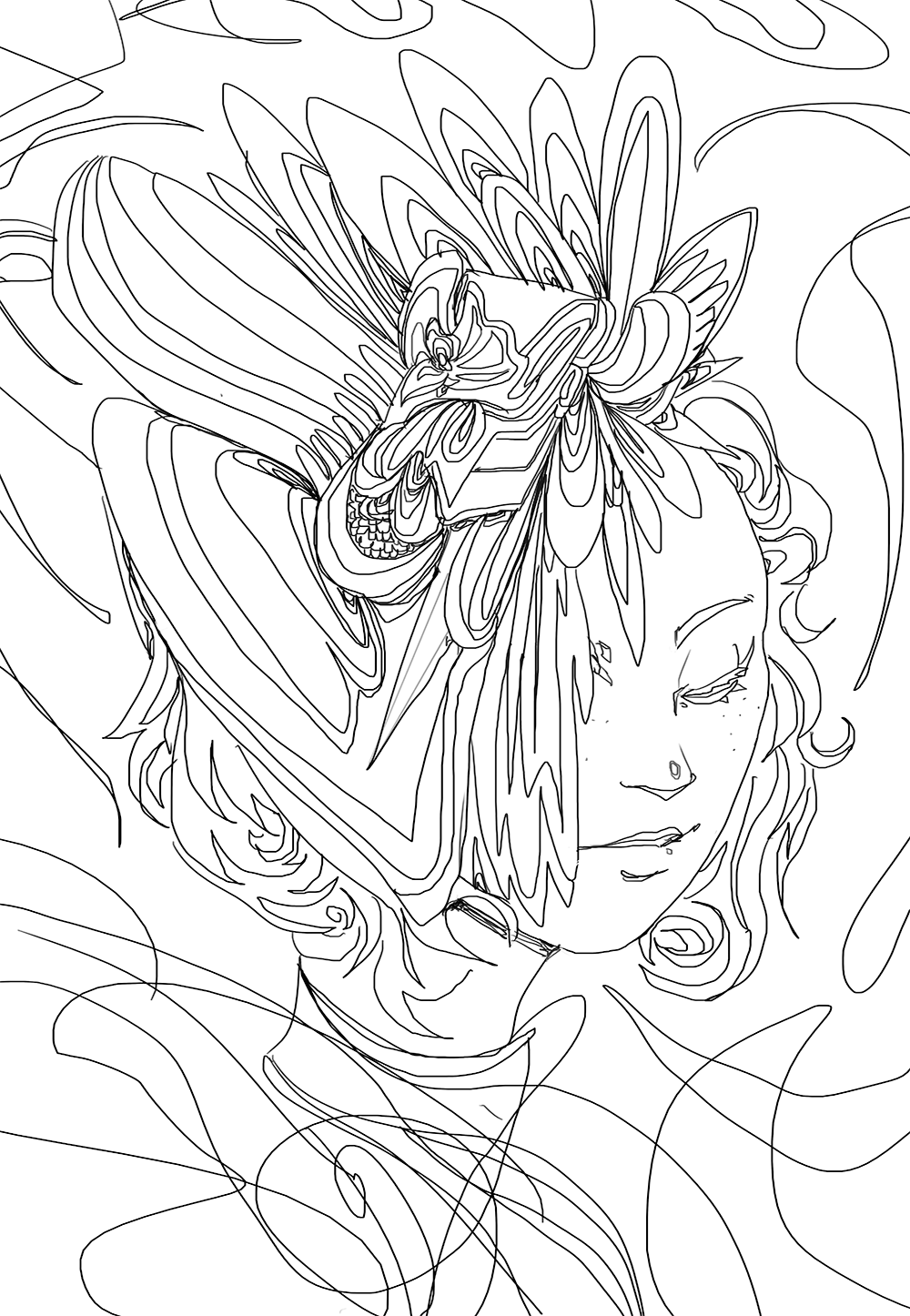
One of the fastest ways to improve digital art skills is by mastering the basics.
Professional artists spend years practicing fundamentals like:
- Shapes
- Perspective
- Lighting
- Proportions
- Anatomy
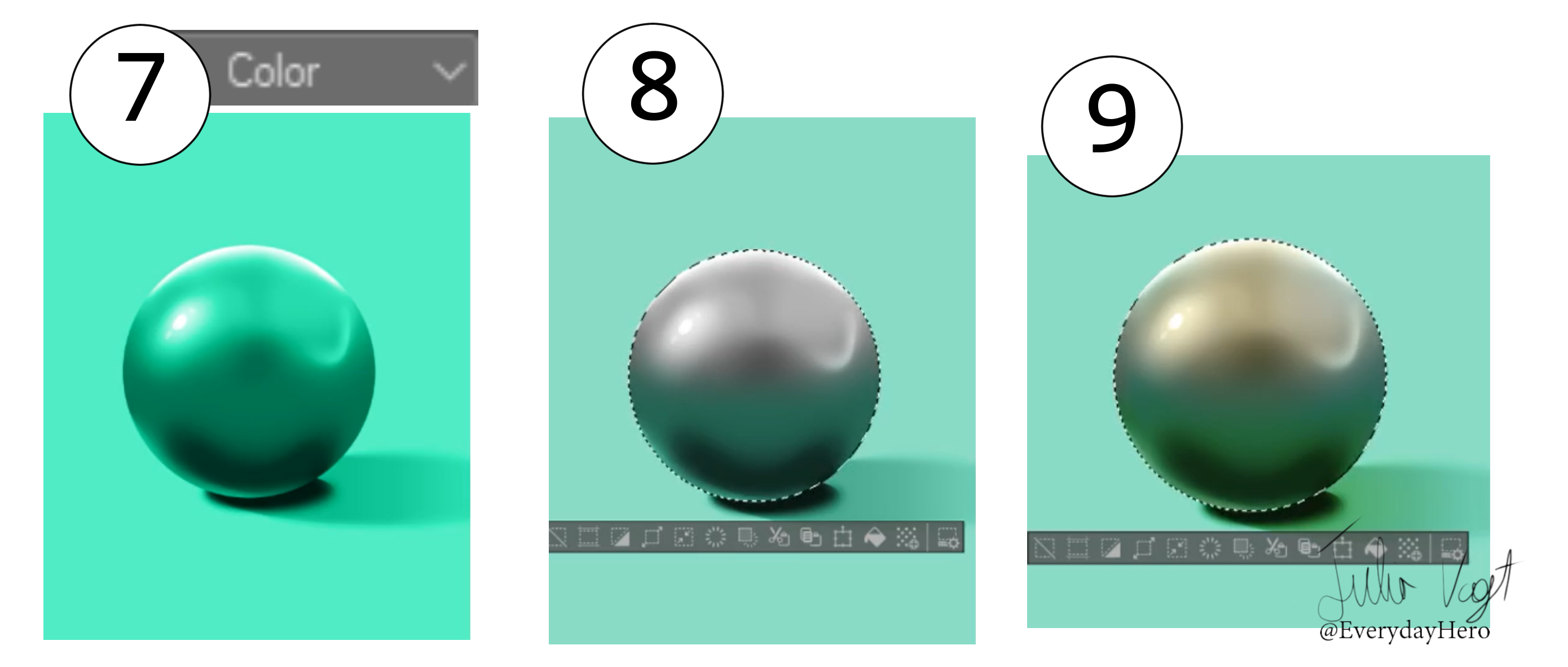
Even simple shapes like spheres, cubes, and cylinders teach important lessons about light and shadow.
For example, drawing a shaded sphere helps you understand how light interacts with surfaces.
Simple Practice Exercise
Spend 10–15 minutes daily drawing basic shapes and shading them.
This small habit builds strong art foundations.
2. Practice With Reference Images


Many beginners believe using references is cheating.
In reality, professional artists use references constantly.
References help you understand:
- Lighting
- Textures
- Realistic colors
- Anatomy
- Composition
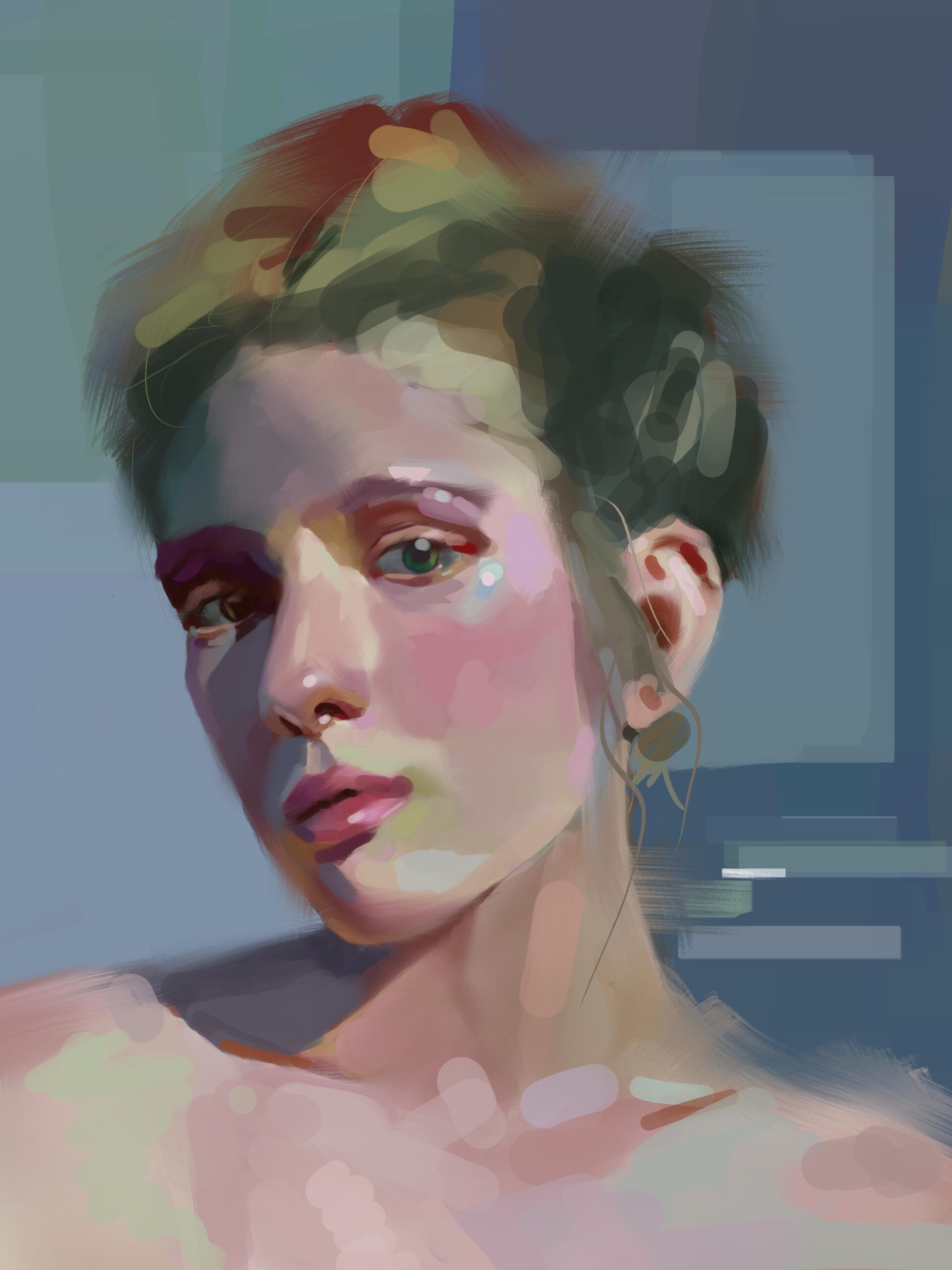
For example, if you’re painting a portrait, study real faces.
Observe how light falls on the nose, cheeks, and jawline.
Practical Tip
Create a small reference board before starting any artwork.
This improves accuracy dramatically.
3. Practice Daily — Even for 20 Minutes
One common myth is that you need hours of practice daily.
That’s not true.
Consistency matters more than duration.
A student practicing 20 minutes every day will improve faster than someone practicing 5 hours once a week.
Small daily practice trains your brain to observe better.
Simple Routine
Try this 20-minute daily practice:
5 minutes – sketch shapes
10 minutes – draw a simple object
5 minutes – study lighting or shading
Within a few months, your digital art skills will improve significantly.
4. Study Lighting and Shadows
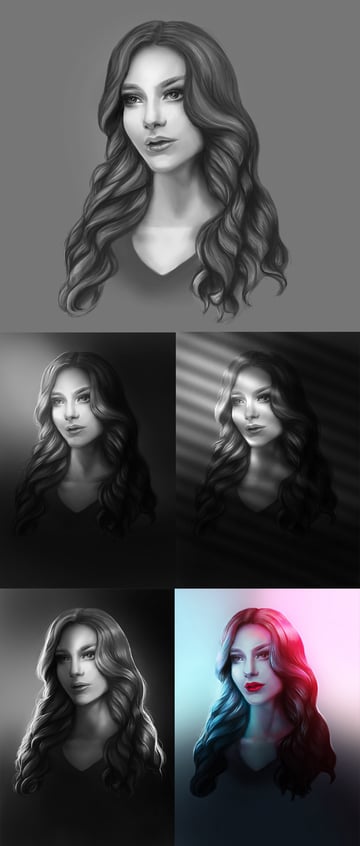
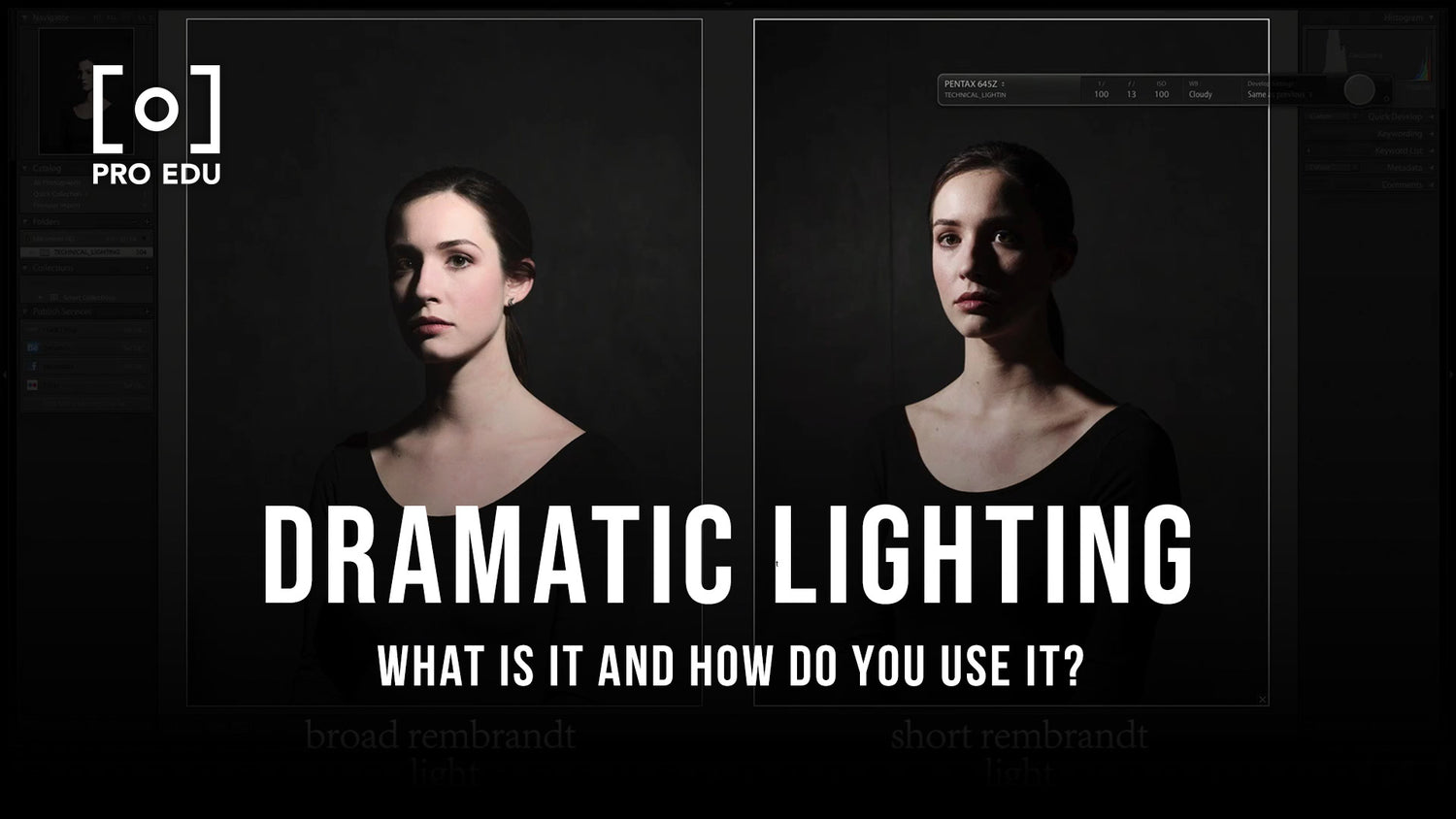
Lighting is what makes digital artwork look professional.
Without proper lighting, paintings appear flat.
Understanding light helps artists create depth.
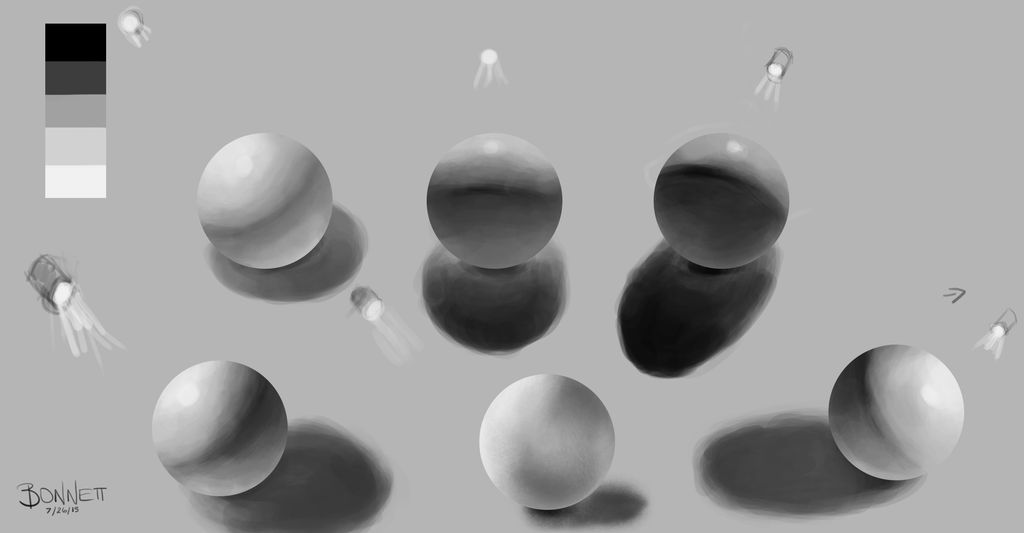
Key lighting concepts include:
- Light source direction
- Core shadow
- Reflected light
- Highlights
- Cast shadows
For example, imagine light coming from the left side.
The left part of an object will be brighter while the right side will have shadows.
Practicing lighting exercises dramatically improves artwork quality.
5. Limit Your Brushes
Many beginners download hundreds of brushes.
But professional artists often use just two or three brushes.
Using too many brushes can slow learning because you rely on tools instead of technique.
A good beginner brush set includes:
- Hard round brush
- Soft round brush
- Textured brush
Mastering a few brushes helps you focus on fundamentals.
6. Study Artwork From Professional Artists
One powerful way to improve digital art skills is by studying great artists.
Observe how professional artists:
- Use color palettes
- Create lighting
- Balance composition
- Add details
Look at illustrations, concept art, and paintings.
Ask yourself:
- Where is the light source?
- Which colors dominate the painting?
- How are edges controlled?
This kind of analysis trains your artistic eye.
Study a Real Artwork Example by Artist Sona Dubey
Another effective way to improve digital art skills is by studying real artwork created by experienced artists. Observing how professionals handle color, lighting, and composition can reveal details that tutorials often miss.
For example, let’s look at a digital artwork created by artist Sona Dubey, the creative mind behind the ArtbySona collection.
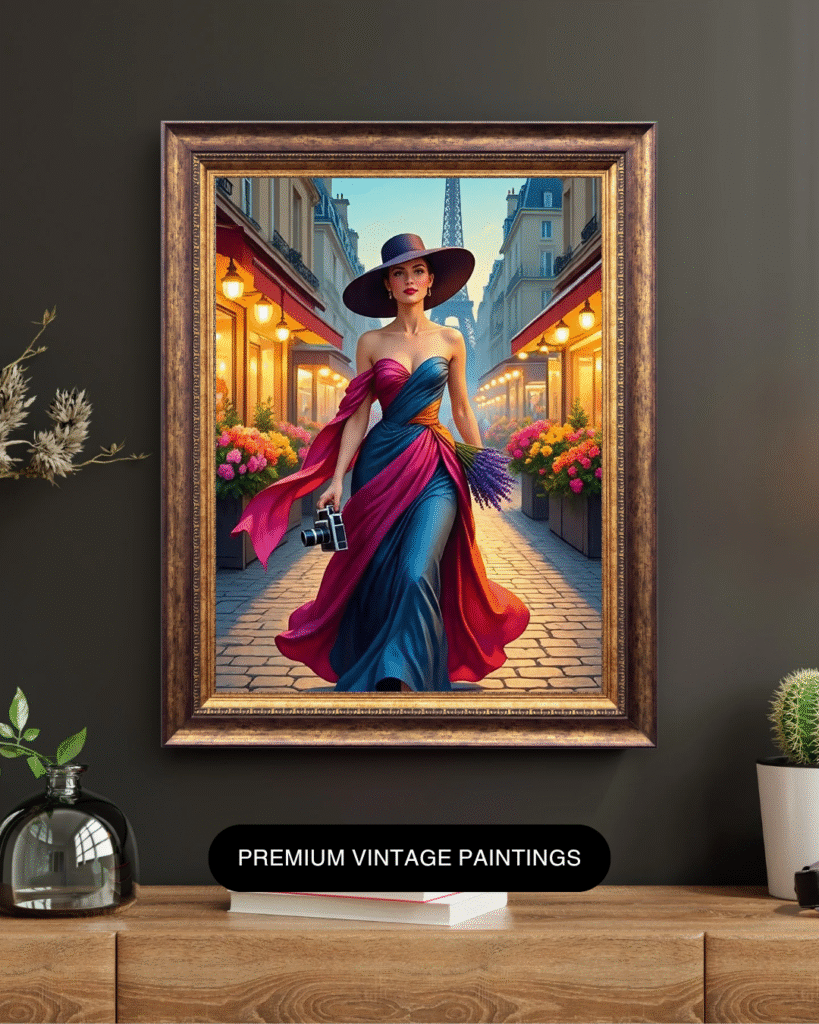
Parisian Symphony in Silk – Elegant Woman in Paris
This digital artwork captures the elegance of Parisian fashion through soft lighting, flowing textures, and a refined color palette.
If you study this piece carefully, you can notice several artistic techniques in action.
First, observe how the lighting gently highlights the folds of silk fabric. The light source subtly guides the viewer’s attention toward the central subject.
Next, pay attention to the color harmony. Warm tones and soft neutrals are balanced carefully so the composition feels calm and sophisticated rather than overwhelming.
The background is intentionally minimal, allowing the figure to remain the focal point of the artwork. This is a common technique professional artists use to maintain visual balance.
You can also study the edge control in the painting. Some areas have sharper details, especially around the face and clothing, while other areas are softly blended. This contrast adds depth and realism to the artwork.
Analyzing artworks like this helps train your artistic eye. Instead of simply looking at a finished piece, try to understand how the artist built the composition step by step.
If you would like to explore this artwork more closely, you can view the full digital art print below.
👉 Parisian Symphony in Silk – Digital Art Print by Sona Dubey
This artwork is available as a high-resolution digital download, making it perfect for art lovers who want to print and display elegant artwork at home or in a studio.
Studying artworks like this not only inspires creativity but also helps beginners understand how professional digital artists approach composition, lighting, and visual storytelling.
Best selling products
-
Harbor Serenity-Greek Seaside Cafe Art Print
Original price was: ₹250.00.₹109.00Current price is: ₹109.00. -
Fairy Affirmations Coloring Booklet – Printable Positive Mindset Art for Kids | By Artist Sona Dubey
₹490.00 -
“Neon Drive – High-Octane Sports Car Digital Print for Car Enthusiasts”
Original price was: ₹499.00.₹15.00Current price is: ₹15.00. -

“Elegant Ostrich Tea Party” – Whimsical Fantasy Animal Art Print
₹300.00 -
Divine Radiance Of Shri Krishna-Digital Artwork Download
Original price was: ₹199.00.₹99.00Current price is: ₹99.00.



7. Do Grayscale Studies

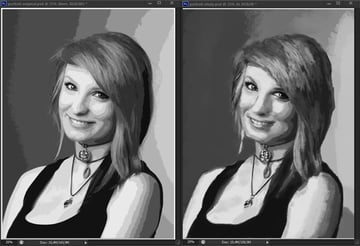
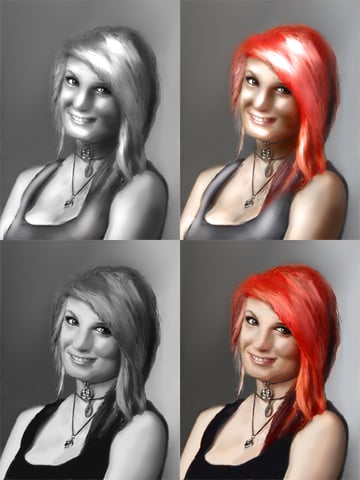
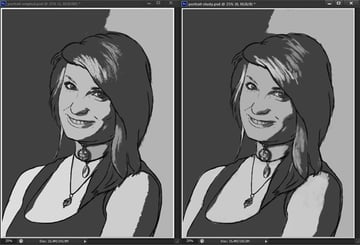
Professional artists often paint in black and white first.
This technique is called value study.
It helps artists understand brightness and darkness without worrying about color.
When values are correct, adding color becomes easier.
Practice Method
Take a photo.
Convert it into black and white.
Then paint it using only five shades of gray.
This exercise improves shading skills dramatically.
8. Break Complex Subjects Into Simple Shapes
Beginners often feel overwhelmed when drawing complex subjects.
For example:
- Faces
- Animals
- Buildings
But every object can be simplified into shapes.
A face can be broken into:
- Sphere (head)
- Cylinder (neck)
- Triangles (nose structure)
This approach makes drawing easier and more accurate.
9. Join Art Communities
Improvement happens faster when you share your work.
Art communities provide:
- Feedback
- Motivation
- Learning opportunities
Online platforms like:
- Instagram art communities
- Discord art groups
- Digital art forums
Seeing other artists’ progress can inspire you to practice more.
Many artists in India have built careers simply by sharing their artwork online.
10. Build a Small Personal Art Project
Instead of drawing random sketches, try building a small art project.
Examples include:
- A portrait series
- A fantasy character collection
- Landscape painting series
- Cultural artwork inspired by Indian traditions
Projects push artists to practice consistently.
They also help build a portfolio, which is useful if you want to sell artwork or work as a freelance artist.
Common Mistakes Beginners Make
Avoiding mistakes can accelerate your progress.
Practicing Without Structure
Random practice leads to slow improvement.
Ignoring Art Fundamentals
Fundamentals like lighting and perspective are essential.
Overusing the Smudge Tool
Too much blending removes texture.
Starting With Details
Always begin with large shapes.
Comparing Yourself Too Much
Every artist learns at their own pace.
Focus on progress instead of perfection.
A Simple Weekly Practice Plan
Here is a beginner-friendly schedule to improve digital art skills faster.
Monday
Practice shapes and perspective.
Tuesday
Study lighting and shading.
Wednesday
Do grayscale portrait practice.
Thursday
Study color palettes.
Friday
Create a small artwork.
Saturday
Analyze professional artwork.
Sunday
Review your progress and practice freely.
Even 30 minutes daily can produce remarkable improvement over time.
Real Example: How Practice Transforms Skill
A young artist once started posting simple digital sketches online.
Initially, the drawings were rough.
But he followed a structured practice routine:
- Daily sketching
- Value studies
- Lighting practice
Within a year, his artwork improved dramatically.
His illustrations started gaining attention online.
Eventually, he began receiving freelance work.
This shows that improving digital art skills is not about talent alone.
It’s about consistent practice and learning fundamentals.
Conclusion: Improvement Happens With Consistency
Improving your digital art skills does not require expensive software or fancy tools.
What truly matters is consistent practice, observation, and learning the right techniques.
Start small.
Practice simple shapes.
Study lighting.
Use references.
And create artwork regularly.
Whether you are a student, a beginner artist, or someone building a creative brand like ArtbySona by Sona Dubey, following these strategies will help you improve faster and create artwork you are proud of.
Your Next Step
Open your drawing app today.
Try a 10-minute grayscale study of a simple object.
You will quickly realize how powerful structured practice can be.
Improving digital art skills starts with small daily steps.
And every sketch brings you closer to becoming a better artist.
Also Read:
- Best Free Digital Art Brushes in 2026
- How to Build a Digital Art Portfolio
- Digital Art vs Traditional Art – 2026
- 20 Daily Digital Drawing Prompts
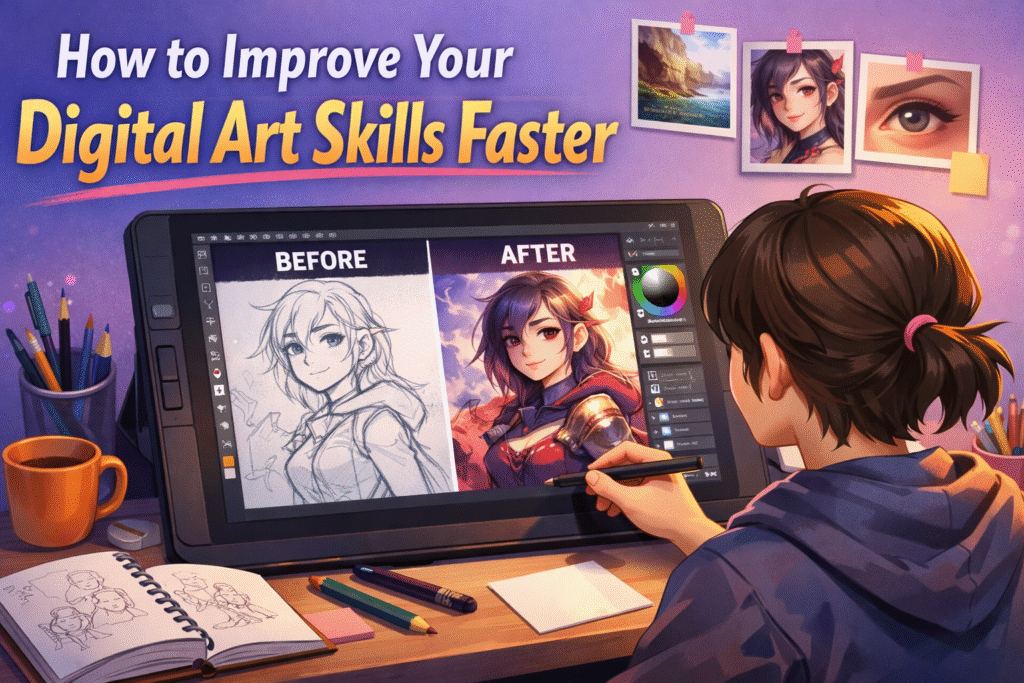
- How to Improve Digital Art Skills Faster
FAQ:
Yes, beginners can start learning digital art with basic tools like drawing tablets and beginner-friendly software. With practice and tutorials, anyone can develop digital art skills and gradually improve their creativity and technique.
Digital art enhances creativity by allowing artists to experiment with different styles, colors, and techniques quickly. Features like layers, undo options, and customizable brushes make it easier to explore ideas and refine artwork without starting over.
Digital art is artwork created using digital technology such as tablets, computers, and drawing software instead of traditional materials like paper and paint. It includes digital painting, illustration, 3D art, and animation created through specialized software.
Digital art is popular because it offers flexibility, faster editing, and easy sharing online. Artists can create, edit, and distribute their work globally using digital tools and platforms, making it easier to reach audiences and collaborate with others.

Sona Dubey is a digital artist with 5+ years of experience in illustration and devotional art. She is the founder of ArtBySona where she shares digital art tutorials, drawing exercises, and beginner-friendly guides to help artists improve their skills.