By Sona Dubey | Founder of ArtbySona
The Moment Every Digital Artist Realizes They Need a Portfolio
Many artists enjoy creating artwork.
They sketch characters, paint landscapes, or experiment with digital illustrations. But sooner or later, an important question appears:
“How do I show my work professionally?”
Maybe you want freelance clients.
Maybe you want to sell digital art prints.
Or maybe you want to apply for design or illustration work.
Without a digital art portfolio, people simply cannot see what you can do.
A student from Kanpur once shared that he had been practicing digital art for almost two years. His artwork was good, but he struggled to get freelance projects.
The problem wasn’t skill.
The problem was presentation.
He had no organized portfolio to show potential clients.
That’s when he decided to build a proper digital art portfolio website.
Within a few months, he started receiving small illustration projects online.
This shows how powerful a well-structured portfolio can be.
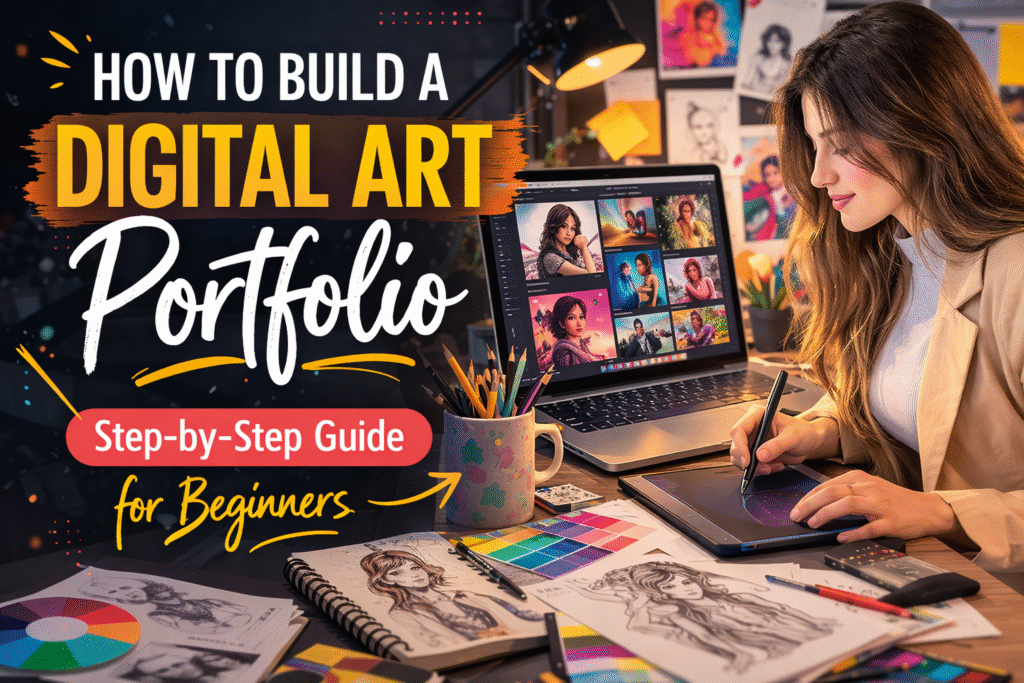
In this step-by-step guide, you’ll learn how to build a digital art portfolio that showcases your work professionally, attracts opportunities, and helps you grow as an artist.
What Is a Digital Art Portfolio?
A digital art portfolio is a collection of your best artwork displayed online.
It shows your artistic style, technical ability, and creativity.
Think of it as your visual resume.
Instead of writing about your skills, your artwork speaks for you.
A strong portfolio can help you:
• Get freelance clients
• Sell digital artwork
• Apply for design or illustration jobs
• Build your personal brand as an artist
Artists like Sona Dubey from ArtbySona use their portfolio to present creative digital artwork in a professional way.
Why Every Digital Artist Needs a Portfolio
Many beginners think they need hundreds of artworks before creating a portfolio.
That’s not true.
Even 8–12 strong pieces can create an impressive portfolio.
A portfolio helps artists:
Build credibility
Clients trust artists who present work professionally.
Showcase style
Your portfolio reveals your artistic voice.
Attract opportunities
Employers and clients often discover artists through portfolios.
Track improvement
Seeing your artwork in one place helps you understand your progress.
Step 1: Choose Your Best Artwork
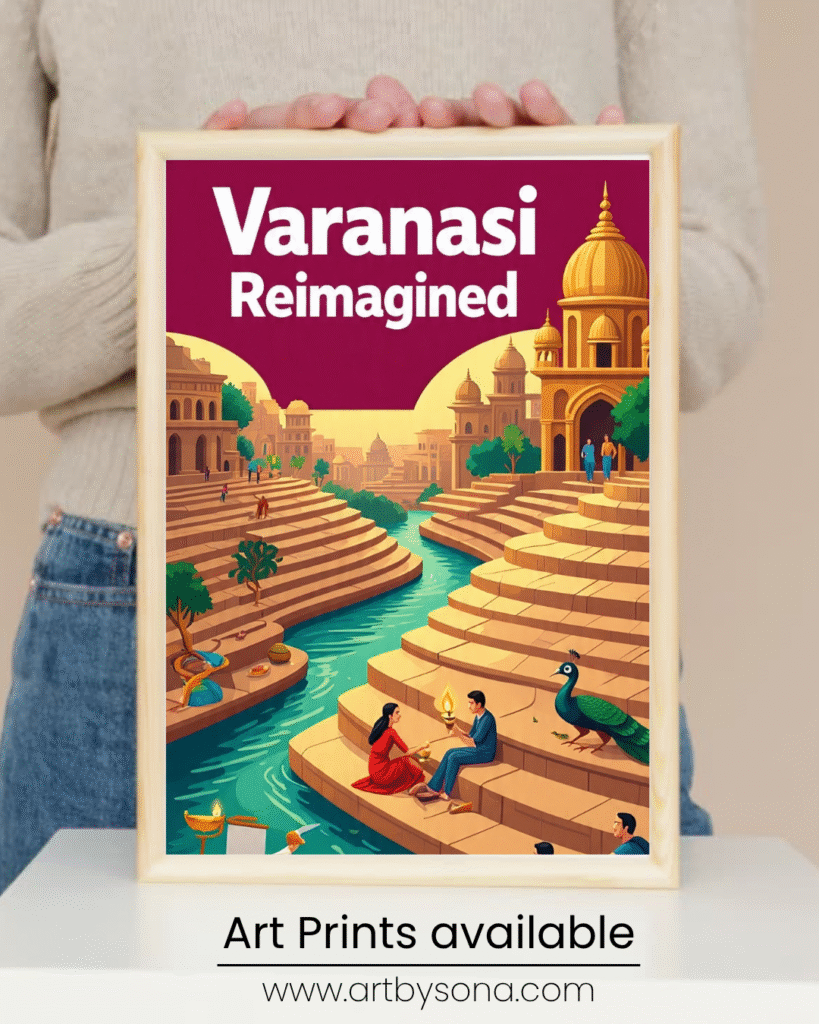
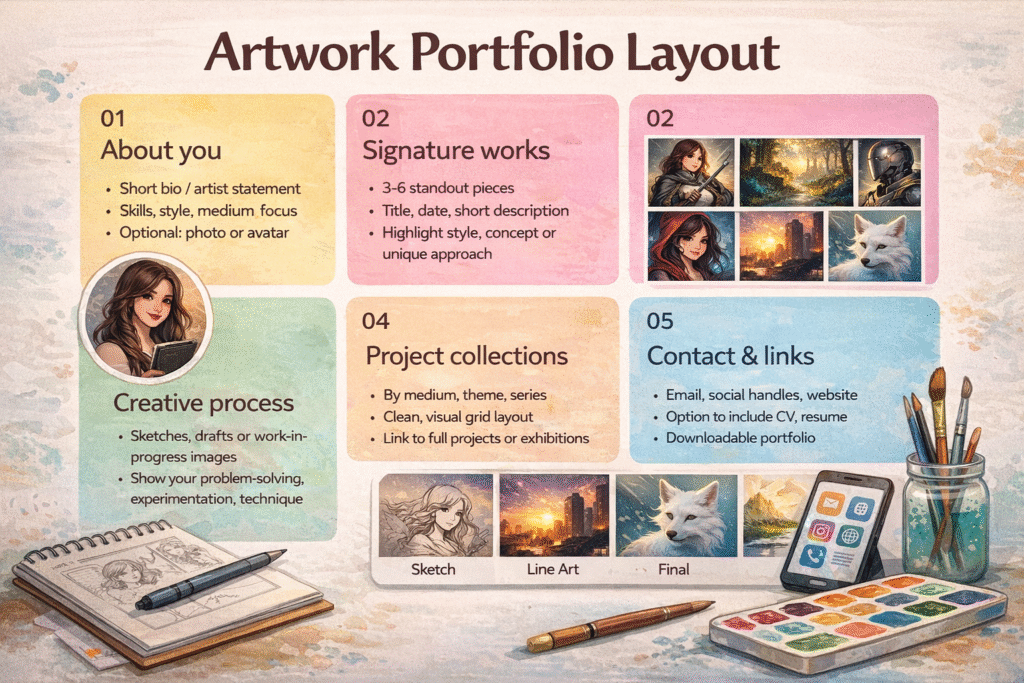
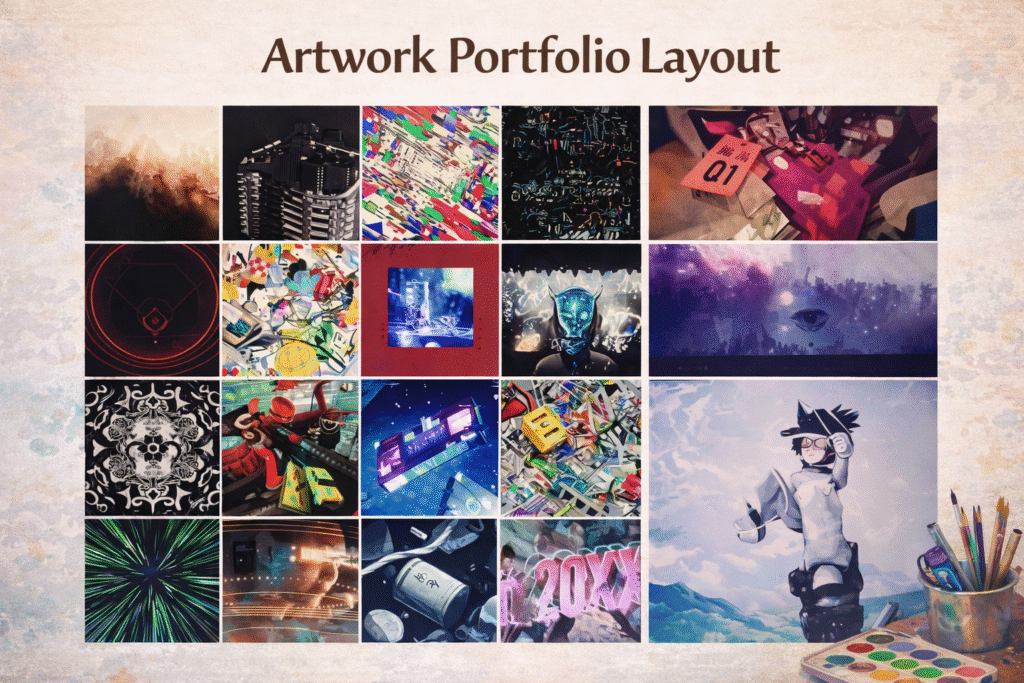
The biggest mistake beginners make is including too many average artworks.
Your portfolio should contain only your strongest pieces.
Quality matters more than quantity.
If you have 50 artworks, select the 10–15 best pieces.
Choose artworks that show different skills, such as:
• Character design
• Portrait illustration
• Environment art
• Concept art
• Stylized illustrations
This variety shows your versatility as an artist.
Step 2: Identify Your Art Style
Before building a digital art portfolio, think about your artistic direction.
Ask yourself:
What type of art do I enjoy creating most?
Examples include:
• character illustration
• digital painting
• fantasy art
• fashion illustration
• concept art
Your portfolio should reflect a clear artistic identity.
For example, artist Sona Dubey (ArtbySona) often focuses on elegant character illustrations and expressive digital artwork.
A clear style helps audiences remember your work.
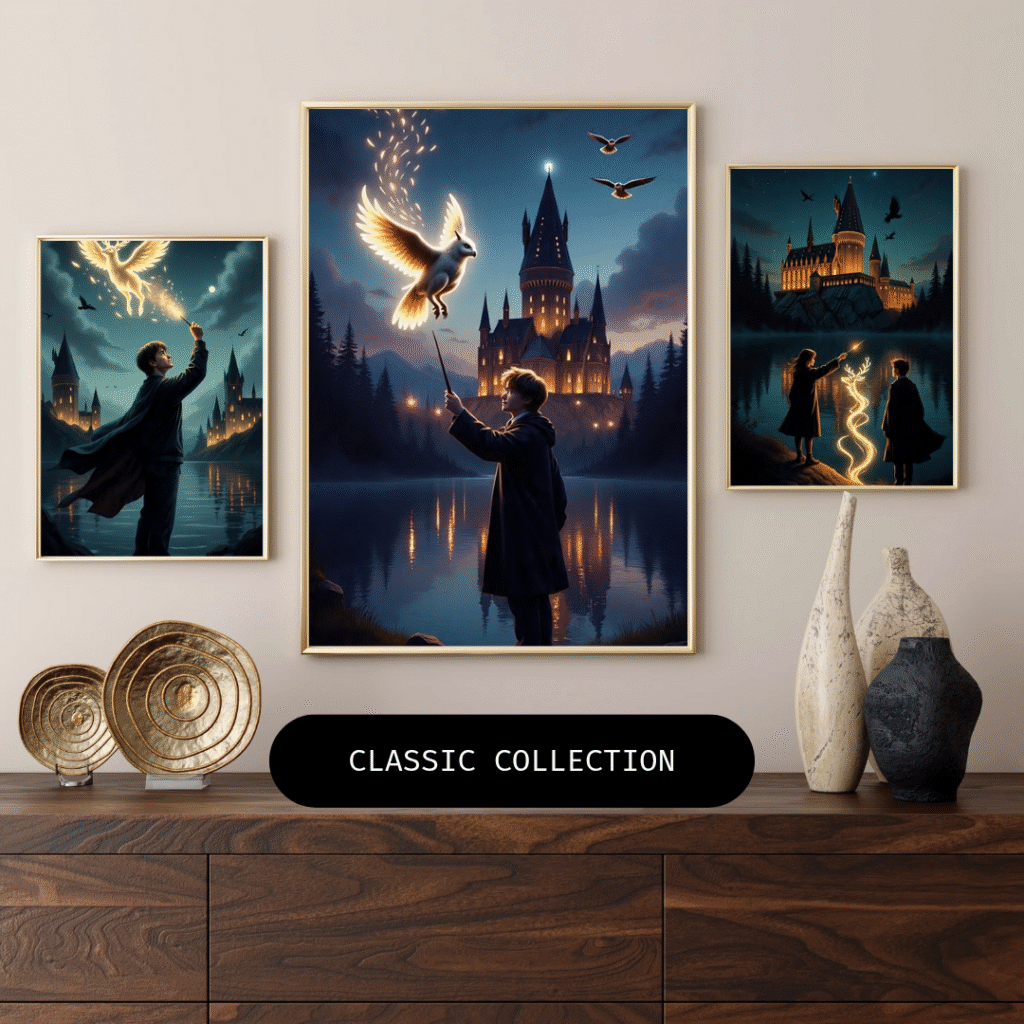
Step 3: Create High-Quality Images of Your Artwork
Presentation matters.
Even beautiful artwork can look unprofessional if the images are poorly prepared.
Follow these tips:
• Export artwork in high resolution
• Use clean backgrounds
• Avoid clutter around artwork
• Ensure colors appear accurate
Recommended format:
PNG or high-quality JPG
If your artwork includes details, ensure viewers can zoom or view larger versions.
Step 4: Organize Your Portfolio Clearly
Your digital art portfolio should be easy to explore.
Visitors should instantly understand what type of art you create.
A simple structure works best:
Home Page
Short introduction about you.
Portfolio Gallery
Your artwork collection.
About the Artist
Your creative journey.
Contact Page
How clients can reach you.
Clear navigation improves user experience and keeps visitors engaged.
Step 5: Write a Short Artist Bio
People connect with artists through stories.
Your portfolio should include a short introduction.
Example structure:
• Your name
• Your artistic focus
• What inspires your artwork
Example:
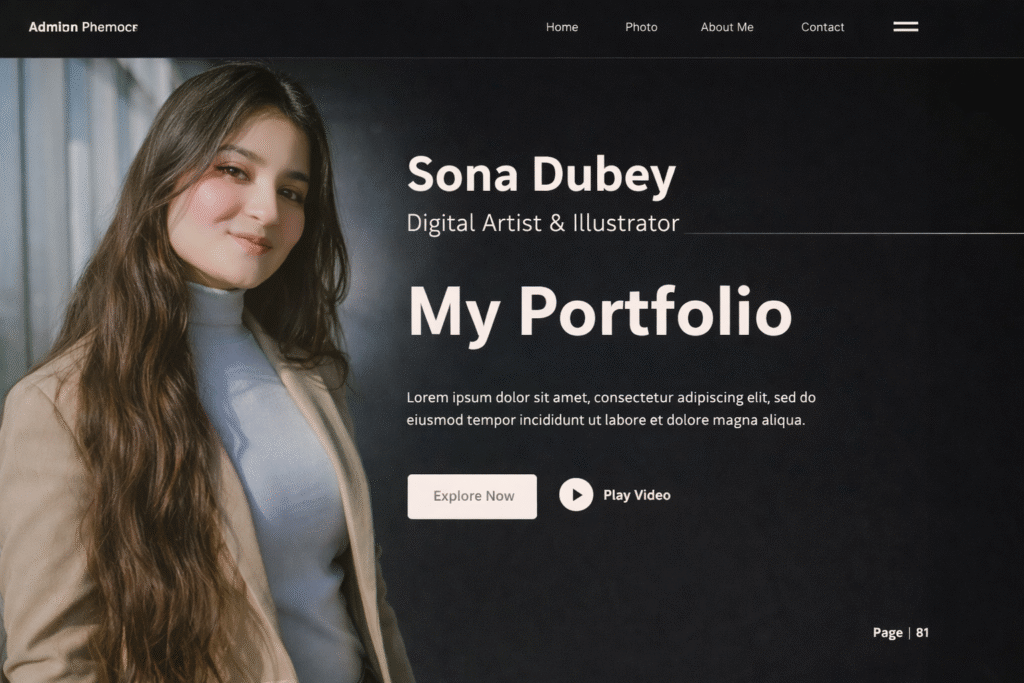
Sona Dubey is a digital artist and the creator of ArtbySona, known for expressive digital illustrations and elegant artistic compositions.
This builds personality and authenticity.
Step 6: Create an Online Portfolio Website
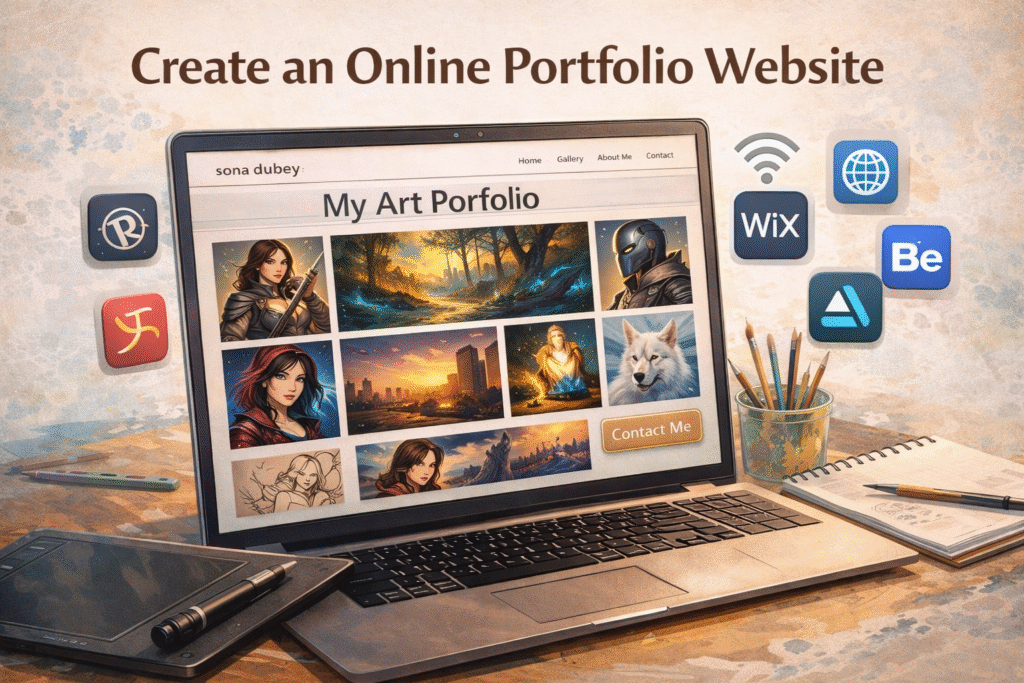
A professional portfolio should ideally live on a website.
Platforms you can use include:
• WordPress
• Wix
• Squarespace
• portfolio platforms like Behance or ArtStation
Since you already have a site like ArtbySona, your blog and portfolio can exist together.
Benefits of having your own website:
• Full control over presentation
• Ability to sell digital artwork
• Better SEO visibility
Step 7: Add Artwork Descriptions
Each artwork in your portfolio should include a small description.
Example:
• Title of artwork
• Medium (digital illustration, digital painting)
• Inspiration behind the piece
Example:
Parisian Symphony in Silk – A digital artwork exploring elegance, fashion, and soft lighting inspired by Parisian style.
Descriptions add storytelling to your work.
Step 8: Show Your Creative Process
Clients and art lovers enjoy seeing how artwork is created.
Consider including:
• sketch stage
• line art
• color process
• final artwork
This helps viewers understand your artistic skills and workflow.
It also adds educational value to your portfolio.
Step 9: Include Contact Information
A portfolio without contact information loses opportunities.
Make it easy for people to reach you.
Include:
• email address
• social media links
• contact form
Potential clients should be able to contact you in one or two clicks.
Step 10: Update Your Portfolio Regularly
A digital art portfolio is never truly finished.
As your skills improve, replace older artworks with stronger pieces.
Updating your portfolio every few months keeps it fresh and relevant.
Professional artists constantly refine their portfolio.
Common Mistakes When Building a Digital Art Portfolio
Even talented artists sometimes weaken their portfolio by making small mistakes.
Adding Too Many Artworks
Too many pieces make the portfolio feel unfocused.
Including Old Artwork
Remove work that no longer represents your current skill level.
Poor Image Quality
Low-resolution images make artwork look less professional.
No Clear Style
A portfolio without direction confuses viewers.
No Contact Information
Visitors should know how to reach you.
Avoiding these mistakes will dramatically improve your portfolio quality.
A Simple Portfolio Structure for Beginners
If you’re just starting, your portfolio can be simple.
Example structure:
Home Page
Short artist introduction.
Gallery
10–15 artworks.
About
Your creative story.
Contact
Email and social links.
This structure works well for most artists.
Inspiration From Artist Sona Dubey (ArtbySona)
Studying existing artist portfolios can provide valuable inspiration.
For example, ArtbySona, created by artist Sona Dubey, showcases elegant digital illustrations with a clear artistic identity.
The portfolio focuses on:
• expressive digital artwork
• clean presentation
• storytelling through visuals
Analyzing portfolios like this helps beginners understand how to organize their own work effectively.
How a Strong Portfolio Creates Opportunities
Many artists believe they must wait until they become experts before creating a portfolio.
But the truth is the opposite.
Building a portfolio early helps you:
• gain confidence
• receive feedback
• attract opportunities
Even small freelance projects can start with a simple portfolio.
Conclusion: Your Portfolio Is Your Artistic Voice
A digital art portfolio is more than a collection of images.
It is a reflection of your creative identity.
It tells viewers:
• what kind of artist you are
• what inspires your work
• what skills you bring to the table
You don’t need hundreds of artworks.
Start with your best pieces.
Organize them clearly.
Tell your story.
Whether you are a beginner artist, a student, or someone building a creative brand like ArtbySona, a well-crafted digital art portfolio can open doors you never expected.
Your Next Step
Choose 10 of your best artworks today.
Create a simple gallery page on your website.
Upload those artworks and write short descriptions for each.
That small step could be the beginning of your professional artistic journey.
Also Read:
- Best Free Digital Art Brushes in 2026
- How to Build a Digital Art Portfolio
- Digital Art vs Traditional Art – 2026
- 20 Daily Digital Drawing Prompts

- How to Improve Digital Art Skills Faster
FAQ:
The most important digital painting techniques for beginners include blocking in large shapes, understanding light and shadow, practicing grayscale value studies, using layers effectively, and controlling brush edges. These techniques help artists build a strong foundation before adding details and textures.

Sona Dubey is a digital artist with 5+ years of experience in illustration and devotional art. She is the founder of ArtBySona where she shares digital art tutorials, drawing exercises, and beginner-friendly guides to help artists improve their skills.
Very good i like it
Bravo, what necessary phrase…, a remarkable idea