By Sona Dubey | Founder of ArtbySona
The Question Almost Every New Artist Asks
A beginner artist often faces this dilemma.
You love art. You want to start drawing seriously. But then a question appears:
Should I learn digital art or traditional art?
Maybe you’ve seen artists drawing on an iPad with a stylus.
Or perhaps you admire paintings made with pencils, watercolor, and oil paint.
Both styles look beautiful.
Both have passionate artists.
But which one is actually better?
A student in Kanpur once asked this exact question during an art workshop. He had a sketchbook filled with pencil drawings but had also recently bought a drawing tablet. He didn’t know where to focus his energy.
The answer surprised him.
The real truth is this:
Digital art and traditional art are not competitors. They are simply different tools for creativity.
Understanding the strengths of each medium will help you decide what works best for your artistic journey.
In this guide, we will explore the complete comparison of digital art vs traditional art, including advantages, challenges, and how beginners should choose between them.
What Is Traditional Art?

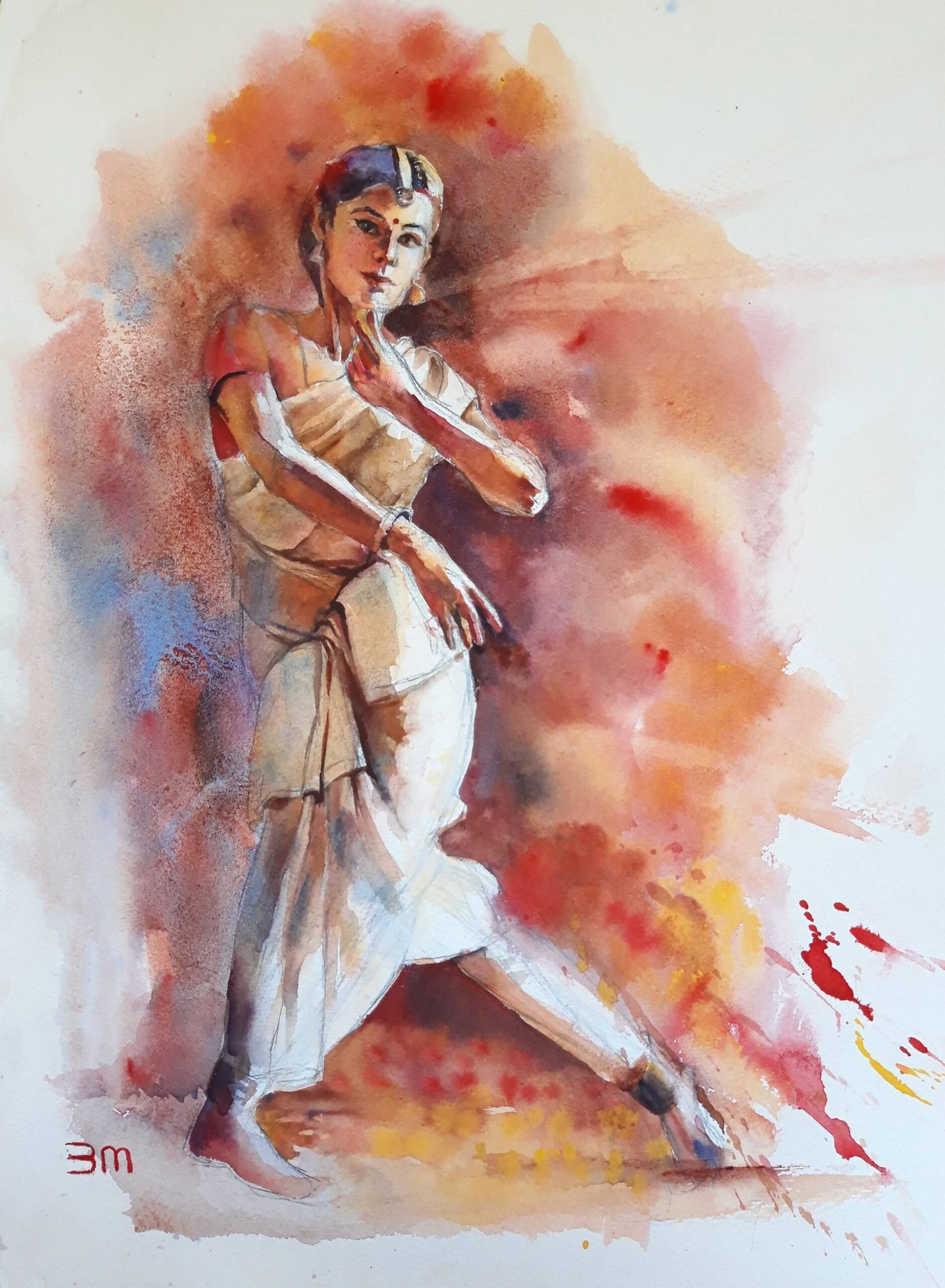

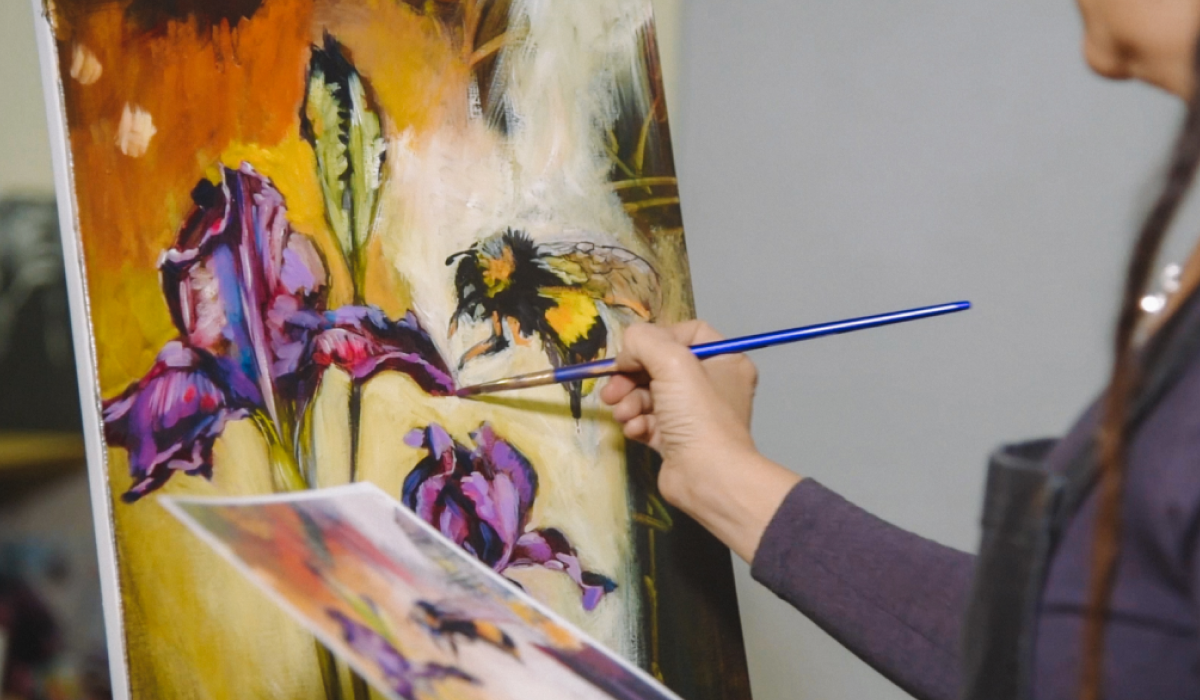
Traditional art refers to artwork created using physical tools and materials.
Common traditional art mediums include:
• Pencil drawing
• Charcoal sketches
• Watercolor painting
• Oil painting
• Acrylic painting
• Ink illustrations
Traditional artists work with materials such as paper, canvas, brushes, paints, and pencils.
For centuries, traditional art has been the foundation of creative expression.
Famous artists like Leonardo da Vinci, Vincent van Gogh, and Raja Ravi Varma created masterpieces using traditional techniques.
Even today, traditional art remains highly respected in the art world.
What Is Digital Art?
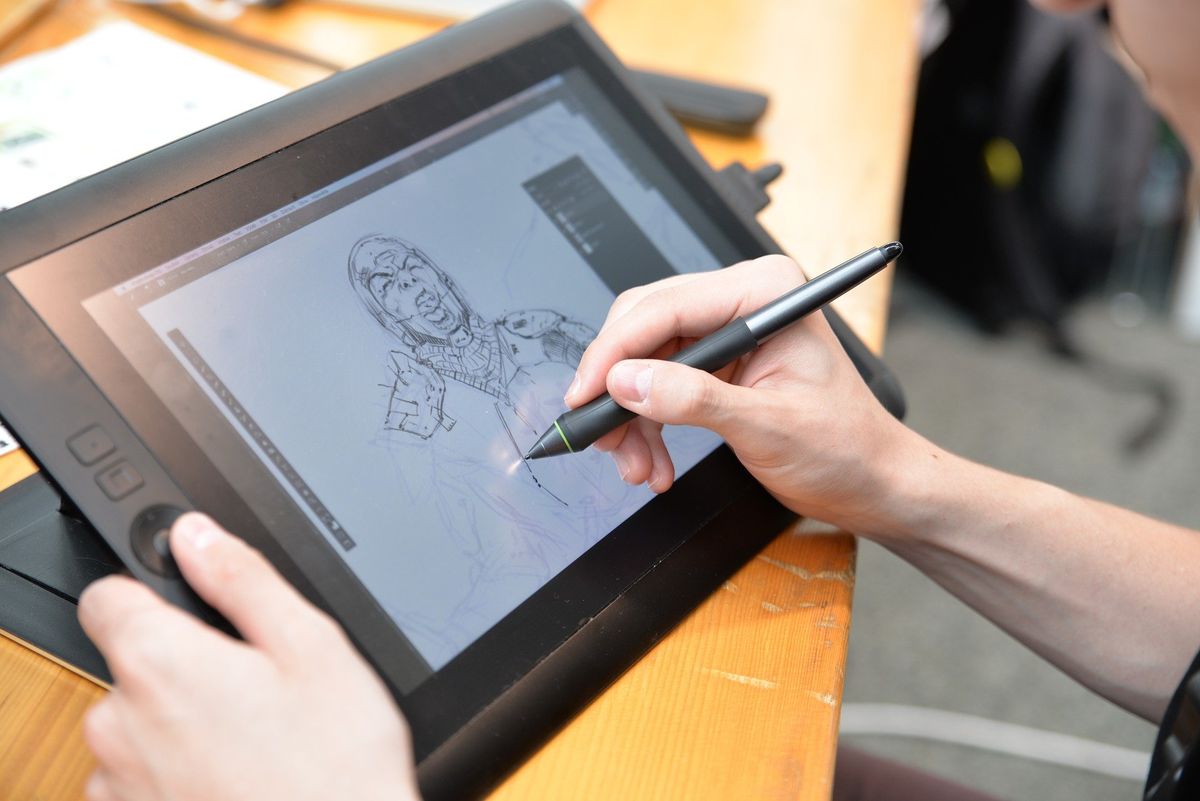
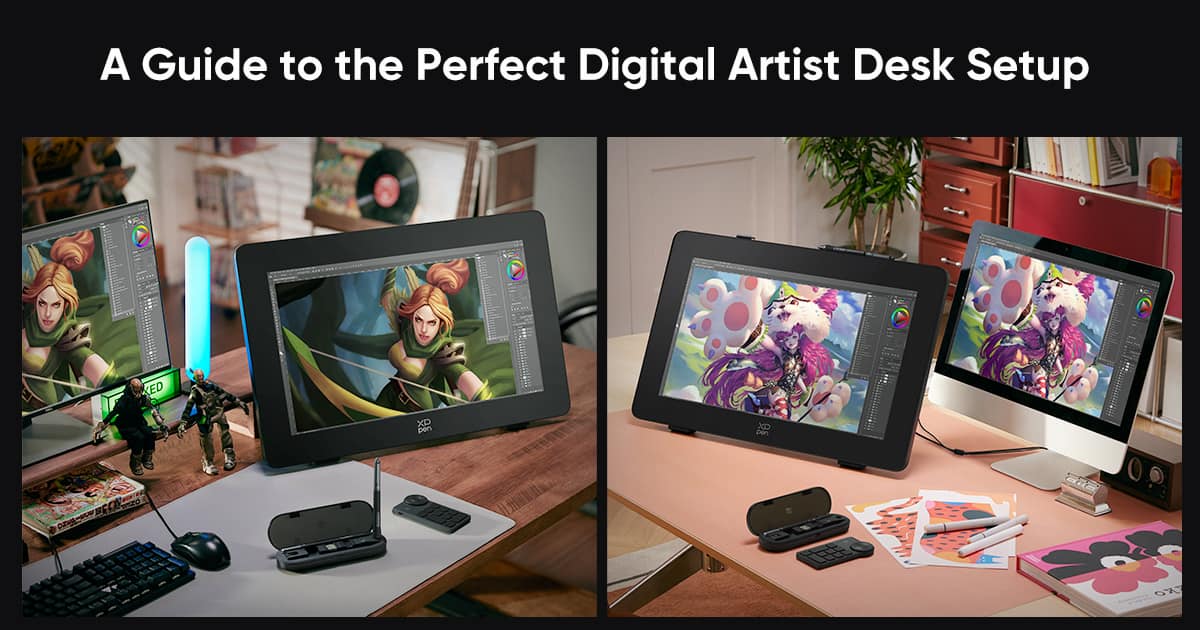
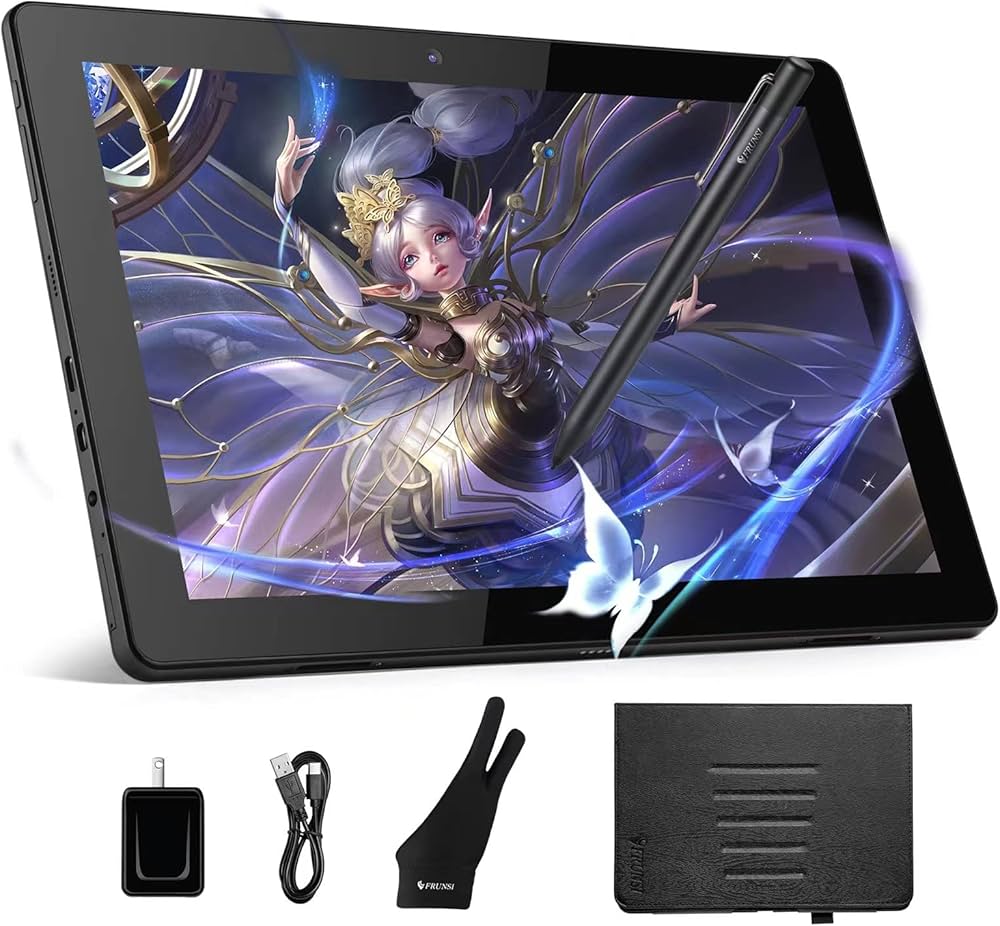
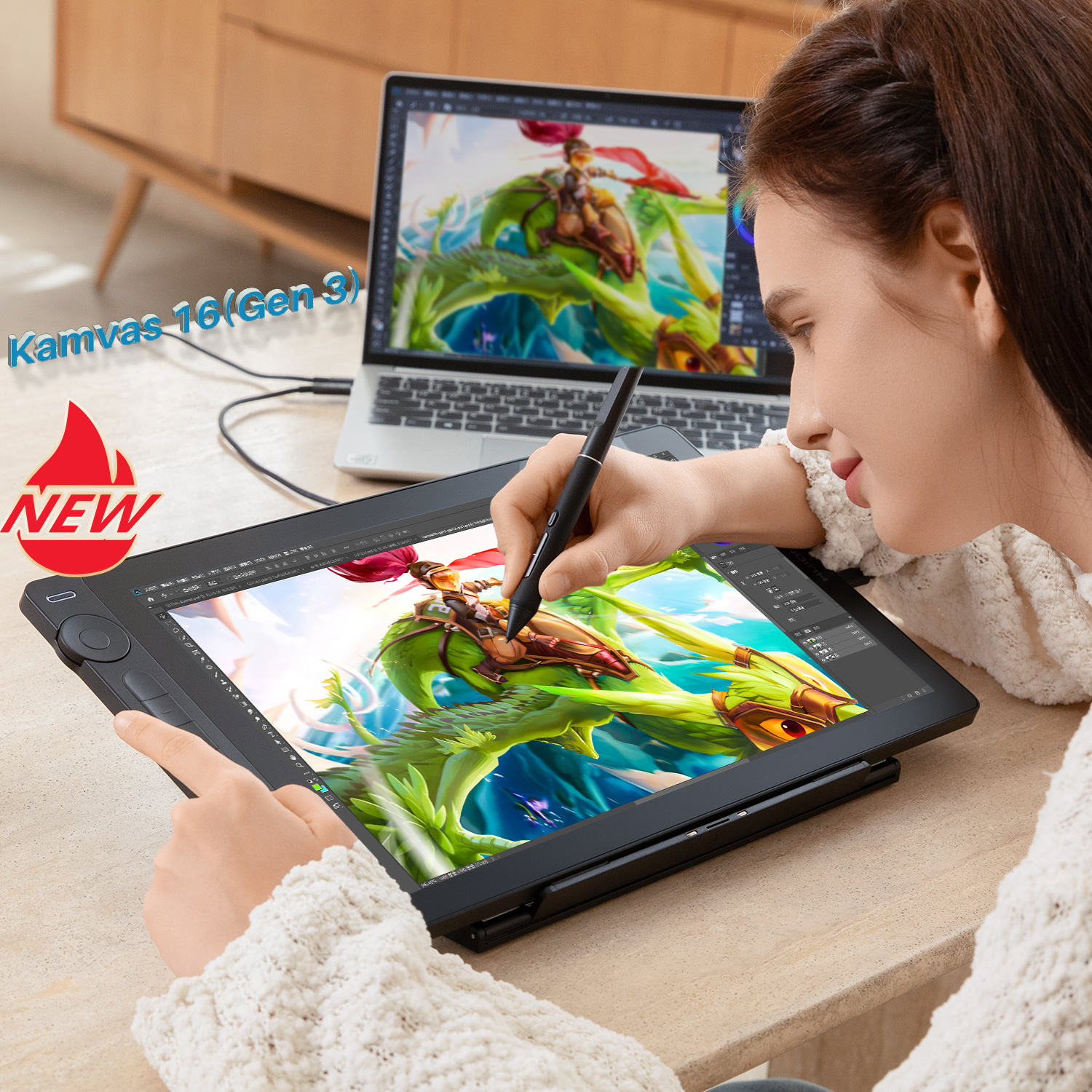
Digital art is created using digital devices and software instead of physical tools.
Artists typically use:
• Drawing tablets
• iPads with stylus
• Digital painting software
Popular digital art software includes:
• Procreate
• Adobe Photoshop
• Krita
• Clip Studio Paint
Digital art allows artists to create illustrations, paintings, and designs using virtual brushes, layers, and color tools.
Many industries today rely heavily on digital art, including:
• Animation
• Gaming
• Advertising
• Illustration
• Graphic design
Because of technology, digital art has become increasingly popular among young artists.
Digital Art vs Traditional Art – Key Differences
To understand digital art vs traditional art, let’s compare their most important aspects.
| Feature | Digital Art | Traditional Art |
|---|---|---|
| Tools | Tablet, stylus, software | Pencil, paint, canvas |
| Editing | Easy undo and adjustments | Difficult to correct mistakes |
| Cost | High initial setup | Low initial cost |
| Texture | Simulated textures | Natural textures |
| Portability | Requires device | Simple sketchbook |
| Sharing | Easy online sharing | Requires scanning or photography |
Both forms offer unique advantages.
The choice depends on your goals, learning style, and resources.
Advantages of Traditional Art
Traditional art offers several unique benefits that many artists deeply value.
1. Natural Texture and Feel
Physical materials create textures that digital tools try to imitate.
The feeling of brush strokes on canvas or pencil shading on paper is difficult to replicate digitally.
2. Strong Foundation for Beginners
Many art teachers recommend learning traditional art first.
This is because it helps beginners understand:
• shading
• pressure control
• line quality
• material behavior
These fundamentals strengthen artistic skills.
3. Emotional Connection With Materials
Artists often describe traditional art as more personal and tactile.
Mixing paint colors by hand and feeling the paper texture can create a deeper connection to the artwork.
4. Physical Artwork
Traditional art produces a physical piece.
You can frame it, sell it, or display it in galleries.
Collectors often prefer original traditional paintings.
Advantages of Digital Art
Digital art offers several advantages that make it extremely powerful for modern artists.
1. Unlimited Undo and Editing
One of the biggest benefits of digital art is the undo button.
Mistakes can be corrected instantly.
This makes experimentation easier.
2. Layers for Better Workflow
Digital art allows artists to work in layers.
For example:
• sketch layer
• color layer
• shadow layer
• highlight layer
This makes complex illustrations easier to manage.
3. Endless Color Options
Digital tools offer millions of color choices instantly.
Artists can test color combinations without mixing paints.
4. Faster Workflow
Digital art allows artists to create and edit artwork much faster.
This is why industries like gaming and animation rely on digital artists.
5. Easy Sharing Online
Digital artwork can be shared instantly on:
• Instagram
• online portfolios
• digital marketplaces
This helps artists build audiences quickly.
Which One Should Beginners Choose?
The debate of digital vs traditional art often confuses beginners.
The truth is there is no single correct path.
However, beginners can follow this simple guideline.
Start With Traditional Basics
Practicing traditional drawing helps beginners understand:
• shapes
• shading
• proportions
• hand control
A simple pencil and sketchbook can teach valuable fundamentals.
Then Explore Digital Tools
Once you understand basic drawing skills, digital tools become easier to use.
Many artists today combine both.
For example:
• sketch ideas on paper
• finish artwork digitally
This hybrid approach works very well.
How Digital Art and Traditional Art Can Work Together
Instead of choosing one over the other, many artists use both methods.
Example workflow:
- Sketch idea in sketchbook
- Scan or photograph drawing
- Import into digital software
- Add color and details digitally
This method combines the strengths of both mediums.
Many professional illustrators use this approach.
Common Mistakes Beginners Make
Many beginners struggle with the digital art vs traditional art decision because of common misconceptions.
Mistake 1 – Thinking Digital Art Is Easier
Digital tools offer helpful features, but drawing skills are still required.
Good digital art still depends on:
• anatomy
• lighting
• composition
Mistake 2 – Ignoring Fundamentals
Some beginners rely too much on brushes and effects.
But strong artwork always starts with fundamentals.
Mistake 3 – Comparing Too Early
Beginners often compare their work with professionals online.
This can discourage learning.
Remember: every artist improves gradually.
Step-by-Step Guide to Choosing Your Medium
If you’re still unsure about digital vs traditional art, follow this simple decision guide.
Step 1 – Identify Your Goal
Ask yourself:
Do you want to create art for:
• hobby
• professional career
• social media
• freelance work
Digital art is often better for commercial industries.
Step 2 – Consider Your Budget
Traditional art requires:
• sketchbooks
• paints
• brushes
Digital art requires:
• drawing tablet
• software
Choose what fits your budget.
Step 3 – Try Both
Spend time practicing both mediums.
You might discover that you enjoy one more.
Inspiration From Artist Sona Dubey (ArtbySona)
Many modern artists combine traditional inspiration with digital tools.
Artist Sona Dubey, the creator behind ArtbySona, often uses digital techniques to create elegant illustrations inspired by traditional aesthetics.
This combination allows artists to maintain artistic expression while benefiting from digital flexibility.
Studying artworks from artists like Sona Dubey can help beginners understand how digital tools can bring artistic ideas to life.
The Future of Art: Digital, Traditional, or Both?
The future of art will likely include both mediums.
Traditional art will always remain valuable because of its history and authenticity.
Digital art will continue growing because of technology and online platforms.
Instead of asking which one is better, artists today often ask a better question:
How can I use both mediums creatively?
Artists who learn both techniques gain greater flexibility.
Final Thoughts: Which One Is Better?
After exploring the full comparison of digital vs traditional art, one truth becomes clear.
Neither medium is objectively better.
Both forms offer unique creative possibilities.
Traditional art teaches foundational skills and creates physical masterpieces.
Digital art offers flexibility, speed, and modern opportunities.
The best choice is the one that inspires you to create consistently.
Whether you choose pencils or tablets, paintbrushes or stylus pens, what truly matters is practice and creativity.
Your Next Step
If you’re a beginner artist, try this simple experiment.
Spend one week drawing in a sketchbook.
Then spend another week drawing digitally.
Notice how each medium feels.
Over time, you will naturally discover which one suits your creative process.
The most important thing is not the tool.
It’s the habit of creating art every day.
If you want, I can also generate for this article:
Also Read:
- How to Build a Digital Art Portfolio
- Digital Art vs Traditional Art – 2026
- 20 Daily Digital Drawing Prompts
- How to Improve Digital Art Skills Faster
- 10 Beginner Digital Painting Techniques
FAQ:
Yes, beginners can start learning digital art with basic tools like drawing tablets and beginner-friendly software. With practice and tutorials, anyone can develop digital art skills and gradually improve their creativity and technique.
Beginners should start learning digital painting by practicing basic drawing skills, studying lighting and shading, and using simple brushes. Start with basic shapes, paint in grayscale to understand values, and gradually add colors and textures as your confidence grows.
Digital art enhances creativity by allowing artists to experiment with different styles, colors, and techniques quickly. Features like layers, undo options, and customizable brushes make it easier to explore ideas and refine artwork without starting over.
The most important digital painting techniques for beginners include blocking in large shapes, understanding light and shadow, practicing grayscale value studies, using layers effectively, and controlling brush edges. These techniques help artists build a strong foundation before adding details and textures.
Digital art is artwork created using digital technology such as tablets, computers, and drawing software instead of traditional materials like paper and paint. It includes digital painting, illustration, 3D art, and animation created through specialized software.

Sona Dubey is a digital artist with 5+ years of experience in illustration and devotional art. She is the founder of ArtBySona where she shares digital art tutorials, drawing exercises, and beginner-friendly guides to help artists improve their skills.
стоматолог зубы детский https://lechenie-zubov-detyam.ru
ремонт в ванной цена ремонт ванной в хрущевке