Introduction
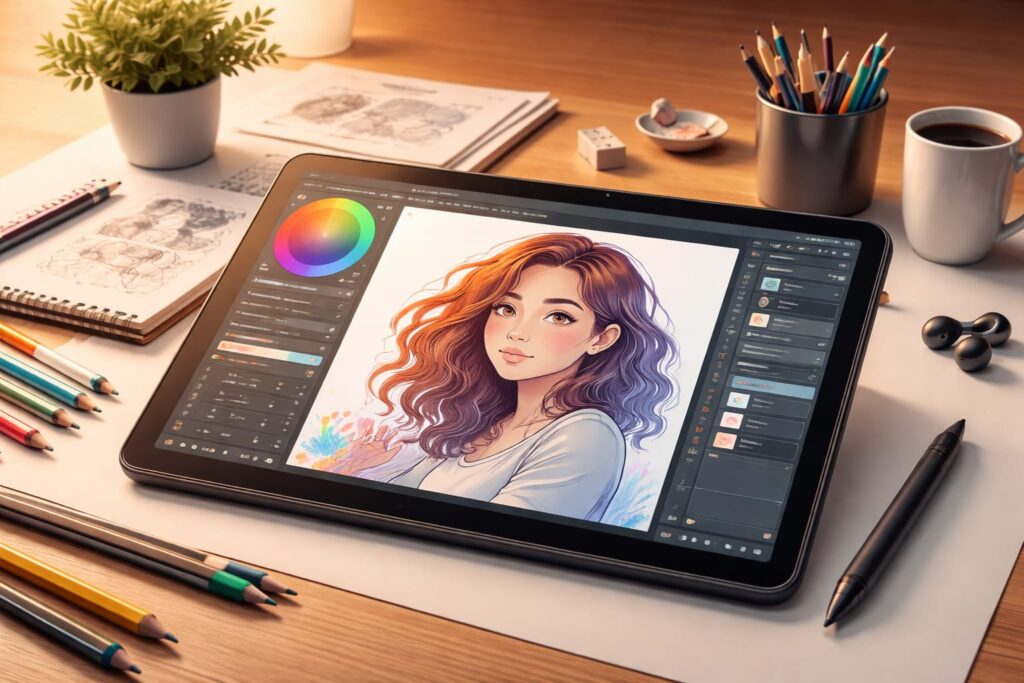
Digital art for beginners refers to creating artwork using digital tools such as tablets, computers, or mobile devices instead of traditional materials like paper and paint. In simple words, digital art is a modern way of drawing, sketching, and coloring with the help of technology. For beginners, digital art offers an easy and flexible way to start learning art without the fear of making permanent mistakes.
Digital art for beginners is becoming increasingly popular because it allows artists to experiment freely and learn at their own pace. Features like undo, layers, and customizable brushes make digital art more beginner-friendly than traditional methods. With affordable devices and easy-to-use software, learning digital art has become accessible to anyone interested in creativity and visual expression.
This guide is created especially for absolute beginners who want to start digital art but feel confused about where to begin. Whether you are completely new to drawing or exploring digital art for the first time, this article is designed to simplify the learning process. At ArtbySona, artist Sona Dubey believes that digital art skills develop through consistent practice, learning fundamentals, and patience.
In this article, readers will learn what digital art is, the basic tools needed for beginners, essential skills to practice, and common mistakes to avoid while learning digital art. This guide aims to help beginners build confidence and take their first steps into digital art with clarity and motivation.
What is Digital Art?
Digital art is a form of artwork created using digital devices such as tablets, computers, or smartphones along with art software. Instead of using physical tools like pencils, brushes, or canvas, digital art allows artists to draw, paint, and design using digital pens and applications. For digital art for beginners, this medium offers flexibility, ease of correction, and a comfortable learning environment that supports creativity without pressure.
The main difference between digital art and traditional art lies in the tools and process. Traditional art uses physical materials such as paper, paint, and brushes, while digital art relies on technology and software. Digital art allows artists to undo mistakes, work with layers, and experiment freely without wasting materials. Traditional art builds strong foundational skills, while digital art provides speed, convenience, and adaptability. At ArtbySona, artist Sona Dubey values both forms but highlights digital art as a practical starting point for beginners learning art today.
There are several types of digital art that beginners can explore based on their interests and comfort level. Digital sketching is a great starting point to learn basic shapes and line control. Digital painting helps beginners understand colors, shading, and textures. Illustration focuses on creating detailed visual stories, while simple graphic design introduces layout and visual balance. Exploring these styles allows beginners to discover their creative preferences and gradually develop confidence in digital art.
Who Can Start Digital Art?
Digital art is open to anyone who has an interest in creativity and visual expression. You do not need natural talent to begin learning digital art. Many beginners believe that only naturally gifted people can create art, but in reality, digital art skills are developed through learning, observation, and consistent practice. For digital art for beginners, curiosity and willingness to learn are far more important than talent.
Interest and regular practice play a key role in artistic growth. When someone is genuinely interested in digital art, learning becomes enjoyable and progress feels more natural. Practicing basic techniques such as sketching, shading, and coloring helps build confidence over time. At ArtbySona, artist Sona Dubey believes that creativity improves step by step through practice, patience, and understanding fundamentals rather than rushing for perfect results.Beginners should not feel discouraged if their early artwork does not meet their expectations. Every artist starts somewhere, and improvement comes with time and experience. Mistakes are a normal part of the learning process and help shape artistic skills. Digital art provides a supportive environment where beginners can experiment freely, learn from errors, and grow creatively. At ArtbySona, the journey of learning digital art is seen as a positive and rewarding experience that encourages continuous growth.
Basic Tools Needed to Start Digital Art
Starting digital art does not require expensive or advanced equipment. For digital art for beginners, simple and easily available devices are enough to begin learning and practicing. Digital art can be created using a tablet, a smartphone, or a laptop, depending on what is accessible. Tablets are commonly preferred for drawing because they feel more natural, but beginners can also start with a phone or a basic computer. At ArtbySona, artist Sona Dubey emphasizes that learning matters more than the device used.
A stylus or digital pen helps beginners draw with better control and accuracy, especially while sketching or adding details. However, a stylus is not mandatory at the beginning. Many beginners start using their fingers on touch devices or a mouse on laptops while learning basic concepts. As skills improve, using a stylus can make the drawing process smoother and more comfortable, but it should be seen as a supportive tool rather than a requirement.
Beginner-friendly digital art software makes learning digital art easier and more enjoyable. These applications allow artists to sketch, color, and experiment with different brushes and layers. Simple interfaces help beginners focus on learning techniques instead of struggling with complex features. Choosing easy-to-use software helps new artists build confidence while exploring digital art step by step. Beginners can explore simple digital art applications and free learning platforms to practice basic skills. Many artists begin by using beginner-friendly tools that focus on sketching, coloring, and layer-based learning.
Expensive tools are not necessary at the beginning of a digital art journey. Many beginners feel pressure to invest in high-end devices, but creativity and skill development come from practice and learning, not from costly equipment. Starting with basic tools allows beginners to focus on improving their artistic skills without unnecessary stress. At ArtbySona, the belief is that growth in digital art comes from consistency, curiosity, and dedication rather than expensive resources.
Basic Skills Every Beginner Should Learn
Learning digital art begins with developing a few essential skills that form a strong artistic foundation. For digital art for beginners, focusing on basic skills helps build confidence and improves overall creativity. Instead of aiming for complex artwork early, beginners benefit more from understanding and practicing fundamental techniques that support long-term growth. At ArtbySona, artist Sona Dubey encourages beginners to focus on learning basics before exploring advanced styles.
Sketching fundamentals are the starting point for every digital artist. Sketching helps beginners understand structure, improve hand control, and visualize ideas clearly. Simple sketches allow artists to plan compositions before adding details, making the creative process smoother and more organized. Regular sketching practice strengthens observation skills and builds consistency over time.
Understanding shapes and proportions is another important skill for beginners. Most complex objects can be broken down into basic shapes such as circles, squares, and lines. Learning how these shapes relate to each other helps artists create balanced and realistic artwork. Proportion skills improve the accuracy of drawings and help beginners develop a better sense of visual harmony in digital art.
Basic shading and coloring add depth and emotion to artwork. Learning how light and shadow work helps create a sense of form and dimension, while basic color understanding improves mood and visual appeal. For digital art for beginners, experimenting with simple shading and limited color palettes is an effective way to develop these skills without feeling overwhelmed.
Learning digital art step by step is essential for steady progress. Rushing through techniques can lead to frustration and confusion, while gradual learning builds clarity and confidence. At ArtbySona, the belief is that mastering basic skills one at a time creates a strong foundation that supports creative growth and long-term artistic development.
How to Practice Digital Art as a Beginner
Practicing digital art as a beginner is most effective when goals are realistic and achievable. Instead of aiming for perfection, beginners should focus on small improvements such as learning basic sketching or experimenting with simple shading. Setting clear and manageable goals helps reduce frustration and makes progress easier to track. At ArtbySona, artist Sona Dubey emphasizes that steady practice builds confidence and supports long-term creative growth.
Daily and weekly practice habits both play an important role in learning digital art. Daily practice sessions, even if short, help maintain creative flow and improve skill consistency. Weekly practice allows beginners to spend more time reviewing work, experimenting with new techniques, and understanding concepts more deeply. For digital art for beginners, choosing a routine that fits personal schedules helps make learning sustainable and enjoyable.
Learning from mistakes and experimentation is a valuable part of the creative process. Beginners often feel discouraged by imperfect results, but mistakes help identify areas that need improvement. Experimenting with different brushes, colors, and styles encourages creativity and problem-solving skills. Digital art provides a flexible environment where beginners can try new ideas without fear of permanent errors.
Staying consistent without pressure is essential for maintaining motivation. Creative growth takes time, and progress may feel slow at times. Practicing without comparing results to others helps beginners stay focused on personal development. At ArtbySona, consistency is viewed as a supportive habit rather than an obligation, allowing creativity to grow naturally through learning and patience.
Common Mistakes Beginners Make in Digital Art
One of the most common mistakes beginners make in digital art is comparing their work with advanced artists. Experienced artists have spent years developing their skills, and comparing early progress with polished artwork can lead to self-doubt and discouragement. For digital art for beginners, it is important to focus on personal improvement rather than external comparison. At ArtbySona, artist Sona Dubey encourages beginners to view progress as an individual journey shaped by learning and practice.
Another frequent mistake is skipping basic skills in an attempt to create detailed or complex artwork too soon. Fundamentals such as sketching, understanding shapes, and basic shading are essential for building strong artistic foundations. When beginners skip these steps, growth becomes inconsistent and frustrating. Learning basic skills gradually helps develop clarity, confidence, and control in digital art.
Expecting quick results is also a common challenge for beginners. Digital art, like any creative skill, requires time and patience. Many beginners feel discouraged when improvement does not happen immediately. However, steady practice and realistic expectations lead to meaningful progress over time. Understanding that learning is a gradual process helps beginners stay motivated and committed.
To avoid frustration, beginners should focus on learning step by step, setting small goals, and allowing room for mistakes. Taking breaks, experimenting freely, and celebrating small improvements can make the learning process enjoyable. At ArtbySona, the belief is that creativity grows best in a supportive and pressure-free environment where beginners feel encouraged to continue learning digital art.
How Learning Digital Art Improves Creativity
Learning digital art plays an important role in developing creativity by encouraging imagination and personal expression. For digital art for beginners, the learning process opens new ways to explore ideas, emotions, and visual storytelling. Digital tools allow artists to experiment freely with styles, colors, and techniques, helping imagination grow without limitations. At ArtbySona, artist Sona Dubey views learning as a key element that transforms creative ideas into meaningful digital artwork.
Digital art also strengthens visual thinking skills. Learning how shapes, colors, and compositions work together helps artists understand how visuals communicate ideas. This ability to think visually improves problem-solving and helps beginners plan artwork more clearly. With practice, beginners start observing details more carefully and translating thoughts into structured visual forms, which enhances overall creative thinking.
Consistent practice in digital art builds confidence over time. As beginners practice regularly, they begin to notice improvements in control, composition, and creative clarity. This gradual progress boosts self-belief and reduces fear of making mistakes. At ArtbySona, creativity is seen as something that grows through learning and practice, where confidence develops naturally as skills improve and artistic expression becomes more refined.
Tips to Stay Motivated While Learning Digital Art
Staying motivated is an important part of learning digital art, especially for beginners. One effective way to remain encouraged is by celebrating small progress. Even simple improvements, such as better line control or improved color choices, are signs of growth. For digital art for beginners, acknowledging small achievements helps build confidence and keeps the learning process enjoyable. At ArtbySona, artist Sona Dubey believes that small wins are powerful steps toward long-term creative development.
Following learning-focused artists can also support motivation. Artists who share their learning journey, practice routines, or creative struggles provide realistic inspiration rather than pressure. Observing how others learn and improve over time reminds beginners that progress is gradual and achievable. Choosing content that emphasizes learning over perfection helps maintain a healthy and positive mindset while practicing digital art.
Taking regular breaks is essential to avoid creative burnout. Continuous practice without rest can lead to frustration and loss of interest. Short breaks help refresh the mind and allow ideas to develop naturally. Beginners should listen to their energy levels and give themselves time to relax, as creativity often improves with balance and patience.
Most importantly, beginners should enjoy the creative process itself. Learning digital art is not only about results but also about exploration and self-expression. Enjoying experimentation, accepting mistakes, and staying curious helps maintain long-term motivation. At ArtbySona, the creative journey is viewed as a rewarding experience where learning and enjoyment go hand in hand.
Conclusion
Learning digital art as a beginner is a journey built on curiosity, practice, and gradual improvement. This guide covered what digital art is, who can start learning, the basic tools and skills needed, effective practice habits, common beginner mistakes, and ways digital art enhances creativity. Each step plays an important role in helping beginners build a strong and realistic foundation for learning digital art.
For anyone thinking about starting digital art, today is the right time to begin. You do not need advanced tools or prior experience—only interest and a willingness to learn. Starting with small steps and simple practice can lead to meaningful progress over time. At ArtbySona, artist Sona Dubey believes that every beginner has the potential to grow creatively through learning and consistency.
Creativity does not develop overnight. It grows with patience, regular practice, and trust in the learning process. Mistakes and slow progress are natural parts of artistic growth. By staying consistent and enjoying the creative journey, beginners can gradually build confidence and express their ideas through digital art. ArtbySona encourages beginners to embrace learning as a positive and rewarding experience where creativity continues to evolve with time.
If you are starting your digital art journey, feel free to share your experience or questions in the comments. Learning together makes the creative process more enjoyable.
Also Read:
- How to Build a Digital Art Portfolio
- Digital Art vs Traditional Art – 2026
- 20 Daily Digital Drawing Prompts
- How to Improve Digital Art Skills Faster
- 10 Beginner Digital Painting Techniques

Sona Dubey is a digital artist with 5+ years of experience in illustration and devotional art. She is the founder of ArtBySona where she shares digital art tutorials, drawing exercises, and beginner-friendly guides to help artists improve their skills.